Welcome to the wonderful world of cast iron! If you’ve ever dreamed of perfectly seared steaks, golden cornbread, or oven-baked wonders, a top-rated cast iron skillet is your kitchen’s secret weapon. These iconic pans are more than just cookware; they’re a legacy, a culinary companion that, with proper care, can be passed down through generations, improving with every meal cooked. Whether you’re a seasoned chef or just starting your cast iron journey, understanding what makes a skillet stand out and how to best utilize it will elevate your cooking to new heights.
The Enduring Legacy: Origin and History of Cast Iron Skillets
Cast iron cookware boasts a rich history, with its origins tracing back to ancient China, where cast iron was first developed for military and agricultural tools. The cooking vessel we recognize today began to take shape in Europe during the 16th century, and by the 18th century, it was a staple in American kitchens. Early settlers relied on these durable pots and pans for everything from baking bread to stewing meats over open fires. The process of “seasoning” – baking layers of oil onto the iron to create a natural non-stick surface – became a cherished tradition, a testament to the longevity and performance of this remarkable material. Chef Levi Goode, CEO of the Houston-based Goode Company, remarks, “It can last for generations. The more you cook on it, the smoother the cooking surface becomes and the less prone food is to stick.” This deep connection to history and enduring quality is a major part of the cast iron skillet’s allure.
Why Should a Cast Iron Skillet Be Your Go-To Cookware?
So, with countless cookware options available today, why do top-rated cast iron skillets consistently earn a spot in the hearts and kitchens of home cooks and professionals alike? It boils down to a few key advantages:
- Unmatched Heat Retention: Cast iron holds heat incredibly well, ensuring even cooking and maintaining temperature even when food is added. This is crucial for achieving that perfect, crispy sear on meats.
- Superior Durability: These pans are built to last. With minimal care, a cast iron skillet can endure decades of rigorous use, easily outliving most modern cookware.
- Natural Non-Stick Surface: While it requires a bit of effort to build, a well-seasoned cast iron skillet develops a natural, chemical-free non-stick surface that improves with every use.
- Versatility Across Cooking Surfaces: From stovetop (gas, electric, induction, glass-top) to oven, grill, and even open campfires, cast iron skillets are incredibly adaptable.
- Health Benefits: Cooking in cast iron can actually leach small amounts of iron into your food, which can be a beneficial dietary supplement for some.
Demystifying the Magic: How to Season Your Cast Iron Skillet
Seasoning is the foundation of a great cast iron skillet. It’s not just about preventing rust; it’s about creating that slick, non-stick cooking surface everyone raves about. While most top-rated cast iron skillets come pre-seasoned, adding your own layers of seasoning will only enhance its performance.
Initial Seasoning (and Re-Seasoning) Steps:
- Clean Thoroughly: Wash your new (or newly stripped) skillet with warm, soapy water and a stiff brush. Don’t worry about removing the factory seasoning if it’s new; you’re just cleaning any residue. Rinse and dry immediately and completely.
- Apply a Thin Layer of Oil: Using a paper towel, apply a very thin, even coat of a high smoke point oil (like vegetable, canola, flaxseed, or grapeseed oil) to all surfaces of the skillet – inside, outside, and handle. Wipe off any excess until it looks almost dry; too much oil can lead to a sticky, gummy finish.
- Bake It On: Place the skillet upside down on the middle rack of your oven. Put a sheet of aluminum foil on the rack below to catch any drips.
- Heat Gradually: Preheat your oven to 375°F (190°C). Bake for one hour.
- Cool Down: Turn off the oven and let the skillet cool completely inside the oven. This slow cooling helps the seasoning bond effectively.
- Repeat (Optional, but Recommended): For a truly robust, long-lasting seasoning, repeat this process 2-3 more times. “Without seasoning, you won’t have nonstick capabilities, so having a properly seasoned skillet is important,” advises Chef Rob McDaniel, owner and executive chef at Helen. “In my experience, the best way to get a good layer of seasoning is to cook cornbread in it.”
The Secret to Longevity: Cleaning and Storing Your Cast Iron Skillet
One of the biggest misconceptions about cast iron is that it’s hard to clean. In reality, it’s quite simple, and a well-maintained skillet will be surprisingly easy to care for.
Cleaning Your Cast Iron Skillet:
- Cool First: Always let your skillet cool down before cleaning. Rapid temperature changes can warp or crack the iron.
- Use Warm Water and a Sponge: For most everyday cleaning, warm water and a non-abrasive sponge are all you need. Don’t be afraid to use a small amount of mild dish soap, despite old wives’ tales. Modern mild soaps won’t strip a good seasoning.
- Tougher Stains: For stubborn, stuck-on food, add a layer of coarse salt to the warm pan and scrub gently with a dry towel. The salt acts as a natural abrasive. Alternatively, boil a half-inch of water in the pan for a minute, then scrape with a spatula or scrub with a brush.
- Dry Completely: This is the most crucial step! Cast iron will rust if left wet. After washing, dry the skillet thoroughly with a towel. For extra measure, place it on low heat on the stovetop for a few minutes until completely dry.
- Light Oiling: Once dry and still warm, wipe a very thin layer of cooking oil over the entire cooking surface with a paper towel. This protects the seasoning and prepares it for the next use.
Storing Your Cast Iron Skillet:
- Keep it Dry: Always ensure your skillet is completely dry before storing to prevent rust.
- Prevent Scratches: If stacking pans, place a paper towel, cork trivet, or cloth liner between them to protect the seasoned surface from scratches.
- Accessible Spot: Many people hang their cast iron skillets for easy access and to showcase their rustic charm.
Culinary Canvas: Delicious Dishes to Make in Your Cast Iron Skillet
The versatility of a top-rated cast iron skillet means you can cook almost anything in it! Here are some classic and creative ideas to get you started:
- Perfectly Seared Steaks & Chicken: The excellent heat retention creates an incredible crust.
- Crispy Fried Chicken: Its deep walls are often ideal for shallow frying.
- Golden Cornbread: A true Southern classic, often baked directly in the skillet.
- Skillet Pizzas: Achieves a wonderfully crispy crust you can’t get elsewhere.
- Roasts and Stews: Start on the stovetop, finish in the oven for tender, flavorful results.
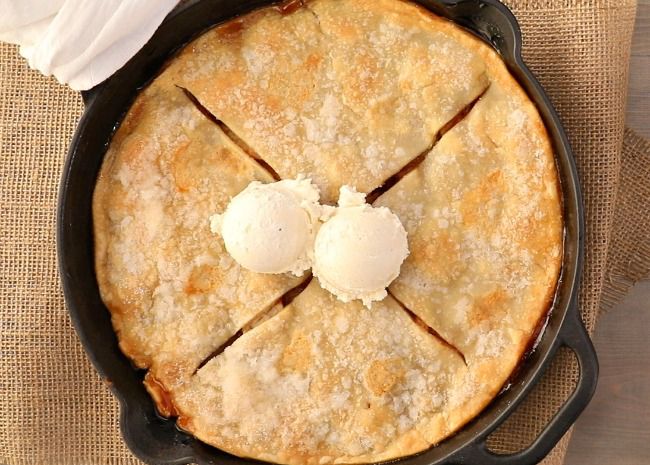
- Desserts: Skillet cookies, brownies, apple crisps, and Dutch baby pancakes are phenomenal in cast iron.
- Eggs (Yes, Really!): With a well-seasoned pan, you absolutely can cook eggs without sticking, challenging a common myth.
Master the Heat: Tips and Tricks for Cooking with Cast Iron
Even with a top-rated cast iron skillet, a few insider tips can make a world of difference:
- Preheat Properly: Cast iron takes longer to heat up evenly than other pans. Always preheat your skillet slowly over medium-low heat for several minutes before adding food.
- Use Enough Fat: Especially when your seasoning is still developing, don’t be shy with cooking oil, butter, or bacon grease. This helps food release and contributes to building your seasoning.
- Avoid Extreme Temperature Changes: Sudden heating or cooling can damage your pan. Let it preheat slowly and cool down naturally.
- Acidic Foods: While common wisdom suggests avoiding highly acidic foods (like tomato sauce) in traditional cast iron as it can strip seasoning and impart a metallic taste, it’s not a hard-and-fast rule for well-seasoned pans. For prolonged simmering of acidic dishes, enameled cast iron is a safer bet.
- Metal Utensils Are Okay: A well-seasoned cast iron skillet is remarkably resilient, and metal spatulas are generally fine. Just avoid aggressive gouging that could damage the seasoning. For enameled cast iron, stick to wood or silicone to protect the finish.
What Makes a Cast Iron Skillet “Top-Rated”?
When we talk about “top-rated cast iron skillets,” we’re looking at a blend of performance, durability, ease of use, and value. Brands like Lodge consistently rank high for their affordability, excellent pre-seasoning, and robust construction. Victoria is often praised for its smooth surface and ergonomic handle design. For those seeking less maintenance, enameled options from brands like Le Creuset and Staub offer beautiful aesthetics and no need for traditional seasoning, though they come at a higher price point and require careful handling to prevent chipping. Ultimately, the “best” skillet depends on your personal cooking style and priorities.
Frequently Asked Questions About Top-Rated Cast Iron Skillets
Q: What is the ideal size for a first cast iron skillet?
A: A 10-inch or 10.25-inch cast iron skillet is widely considered the most versatile “starter” size, perfect for individual meals, side dishes, or even a small cornbread. Many experts, like Carrie Honaker, a Food Network Shopping Expert, recommend the 10-inch as an ideal starting point.
Q: Can I use soap to clean my cast iron skillet?
A: Yes, you can use a small amount of mild dish soap and warm water to clean your cast iron skillet. The myth about avoiding soap comes from a time when lye-based soaps were common and could strip seasoning. Modern mild dish soaps are safe for a well-seasoned pan.
Q: How often should I re-season my cast iron skillet?
A: There’s no strict schedule. If your food starts to stick more often, or if the pan looks dull and dry, it’s a good time to re-season. Regular use of oil during cooking often maintains the seasoning naturally.
Q: What should I avoid cooking in a cast iron skillet?
A: While a well-seasoned pan can handle most anything, some cooks prefer to avoid very acidic foods (like long-simmered tomato sauces) and delicate fish or eggs until the seasoning is very robust, as acid can potentially degrade seasoning layers.
Q: Is enameled cast iron better than traditional cast iron?
A: It depends on your needs. Enameled cast iron (like Le Creuset or Staub) doesn’t require seasoning, is easier to clean with soap and water, and can handle acidic foods without issue. However, it’s generally more expensive, heavier, and the enamel can chip or crack if dropped or subjected to rapid temperature changes. Traditional cast iron is more affordable, develops a natural non-stick over time, and is incredibly durable.
Embrace the Cast Iron Journey with Eview Buz
Embracing a top-rated cast iron skillet in your kitchen is more than just acquiring a piece of cookware; it’s an investment in a culinary tradition, a tool that promises exceptional performance and lasting memories. As you embark on your cast iron journey, remember that patience and consistent care are your best ingredients. From searing succulent meats to baking wholesome cornbread, your cast iron skillet will become a trusted companion, transforming everyday meals into extraordinary culinary experiences. We at Eview Buz are here to support you, providing the insights and recommendations to help you make the perfect choice for your kitchen. Happy cooking!