There’s a special kind of magic that happens when you cook with a cast iron skillet. It’s more than just a piece of cookware; it’s a legacy, a workhorse that brings a touch of rustic charm and incredible flavor to your culinary adventures. Whether you’re a seasoned chef or just starting your journey, discovering the Top Cast Iron Skillet for your kitchen can transform your cooking experience, making every meal a masterpiece. At Eview Buz, we believe in empowering you with the best tools and knowledge, and today, we’re diving deep into the world of these iconic pans.
The Enduring Legacy: Origin and History of Cast Iron Skillets
The story of the cast iron skillet is as rich and enduring as the cookware itself. Its origins trace back to 5th century BCE China, where innovators first discovered how to cast molten iron into various shapes, laying the groundwork for a material that would become indispensable across centuries. By the 17th century, cast iron cookware was a household staple in colonial America, with families relying on its durability for cooking over open hearths. These early pots and pans, often with legs or handles for hanging over fires, were essential for daily life.
The 18th century saw the introduction of flat-bottomed cast iron pans as stoves became more common, paving the way for the modern-style skillet. Iconic brands like Griswold and Wagner Ware emerged in the late 19th century, elevating cast iron to a new level of craftsmanship. Despite a dip in popularity in the mid-20th century due to the rise of lighter, modern cookware, cast iron experienced a strong resurgence in the late 20th and early 21st centuries. Innovations like Lodge’s pre-seasoned cookware in 2002 made cast iron more accessible, fueling a renaissance that continues today, driven by a renewed interest in traditional cooking and concerns about chemical non-stick coatings.
What Makes a Top Cast Iron Skillet?
Choosing a top cast iron skillet involves understanding what features truly matter for performance and longevity. Modern cast iron skillets offer a range of characteristics to suit different cooking styles and preferences.
When considering the best, look for:
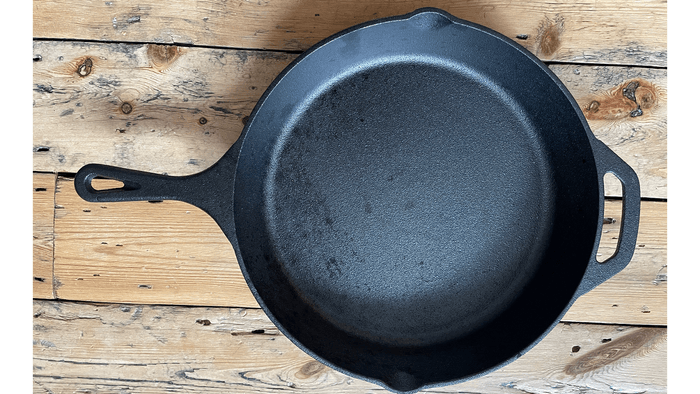
- Weight and Balance: While traditional cast iron is famously heavy, newer models like the Lodge Blacklock or Field Company skillets offer lighter designs that are easier to maneuver without sacrificing heat retention. A well-balanced pan with a comfortable handle is crucial for ease of use.
- Surface Finish: Some skillets, like Victoria, boast a smoother cooking surface, which can aid in seasoning and food release from the get-go. Others have a slightly rougher texture which helps seasoning adhere effectively.
- Pour Spouts and Helper Handles: These small details make a big difference. Wider, deeper pour spouts prevent drips, while a helper handle on the opposite side of the main handle provides better control and safety, especially when lifting a heavy, hot pan.
- Pre-Seasoning: Many top cast iron skillets come pre-seasoned, meaning they are ready to use right out of the box, offering a head start on building that desirable non-stick surface.
Different cooking needs also influence the “top” choice. For example, enameled cast iron skillets from brands like Le Creuset and Staub offer the benefits of cast iron without the traditional seasoning and specialized cleaning, making them ideal for acidic foods and easier maintenance, though they typically come with a higher price tag. For camping, lighter, more budget-friendly options like the Ozark Trail sets might be preferred.
Why Embrace the Cast Iron Skillet?
Why do so many chefs and home cooks swear by cast iron? The benefits are compelling and numerous, solidifying its place as a kitchen essential.
- Exceptional Durability: A properly maintained cast iron skillet is practically indestructible and can truly last for generations, often becoming a cherished family heirloom.
- Superior Heat Retention and Even Distribution: Cast iron excels at heating evenly and retaining that heat, making it perfect for achieving that coveted deep sear on meats, baking cornbread with a perfect crust, and keeping food warm longer.
- Natural Non-Stick Surface: With proper seasoning and consistent use, cast iron develops a natural, chemical-free non-stick surface that improves over time.
- Incredible Versatility: From stovetop searing to oven baking, grilling, or even cooking over an open campfire, a cast iron skillet is remarkably adaptable to almost any heat source.
- Potential Health Benefits: Cooking with cast iron can actually add small, beneficial amounts of dietary iron to your food, which can be advantageous for individuals with iron deficiencies.
“Cast iron isn’t just about cooking; it’s about connecting with a tradition of quality and flavor,” says Chef Anya Petrova, a renowned culinary expert and cast iron enthusiast. “The way it transforms simple ingredients into something extraordinary is unmatched. It’s a tool that earns its place in your kitchen every single day.”
Mastering the Art of Seasoning: Initial Setup and Regular Care
Seasoning is the heart and soul of your cast iron skillet, creating its natural non-stick surface and protecting it from rust. Even if your top cast iron skillet comes pre-seasoned, adding your own layers is key to its long-term performance.
Initial Seasoning for a New Skillet:
- Wash Thoroughly: Even pre-seasoned pans benefit from an initial wash. Scrub your skillet with warm, soapy water and a brush to remove any factory residues. Rinse completely.
- Dry Completely: This step is crucial for preventing rust. Towel dry thoroughly, then place the pan on a stovetop over low heat for a few minutes to evaporate any remaining moisture.
- Apply a Thin Layer of Oil: Using a lint-free cloth or paper towel, apply a very thin, even coat of neutral cooking oil (like vegetable, canola, avocado, or peanut oil) to the entire skillet – inside, outside, and handles. The key is to buff it until it no longer looks greasy, almost dry to the touch, to prevent stickiness or pooling.
- Bake in the Oven: Preheat your oven to 450°F (230°C). Place the oiled skillet upside down on an oven rack. You might want to place a sheet of foil on the rack below to catch any drips. Bake for 30 minutes to an hour.
- Cool and Repeat: Turn off the oven and let the skillet cool completely in the oven. Once cool, repeat the oiling and baking process three to four more times to build a strong initial seasoning layer.
Maintaining Seasoning Regularly:
“The best way to maintain your cast iron’s seasoning is simply to use it regularly,” advises Chef Petrova. “When oil is heated in the pan, it polymerizes, bonding with the metal to create that protective layer.”
- Cook with Fats: Regularly cook foods with fats, like bacon or eggs, to help strengthen the seasoning.
- Avoid Acidic Foods (initially): While well-seasoned cast iron can handle some acidic foods, new or lightly seasoned pans can have their seasoning eroded by highly acidic ingredients like tomatoes or wine.
- Quick Re-Seasoning: If your skillet looks dry, patchy, or food starts to stick, it’s a sign to re-season. A quick oil and bake (or even just an oil rub after cleaning) can refresh it.
Cleaning and Proper Storage: Keeping Your Skillet in Prime Condition
Proper cleaning and storage are vital to ensure your top cast iron skillet remains a workhorse for generations.
Cleaning Your Cast Iron Skillet:
- Clean Immediately After Use: It’s easiest to clean cast iron while it’s still warm.
- Use Hot Water and a Stiff Brush: For most cleaning, hot water and a nylon brush or scraper are sufficient. Avoid abrasive scouring pads that can strip seasoning.
- Mild Soap is Okay (Sometimes): Contrary to old wives’ tales, a small amount of mild dish soap won’t ruin a well-seasoned cast iron pan, especially modern pre-seasoned ones. However, excessive soap use should be limited to avoid stripping the seasoning.
- For Stubborn Bits: If food is really stuck, use coarse salt (like kosher or sea salt) as an abrasive with a little oil and a paper towel to scrub gently. Rinse well afterward.
- Rinse and Dry Thoroughly: This is critical! After washing, dry your skillet immediately and completely with a lint-free towel. For extra measure, place it on the stovetop over low heat for a few minutes to ensure all moisture is gone.
- Lightly Oil: Once dry, apply a very thin layer of cooking oil to the entire pan – inside and out – to protect it from moisture and maintain the seasoning.
Storing Your Cast Iron Skillet:
- Keep it Dry: Always ensure your skillet is bone-dry before storing to prevent rust.
- Air Circulation: Store it in a dry place where air can circulate. If stacking, place a paper towel between pans to absorb any residual moisture and prevent scratching.
- Avoid Extreme Humidity: Don’t store cast iron in damp environments, like a garage or basement, for extended periods.
Delicious Dishes to Craft in Your Top Cast Iron Skillet
The versatility of a top cast iron skillet truly shines in the kitchen, allowing you to create an incredible array of dishes. Here are just a few ideas to inspire your culinary journey:
- Perfectly Seared Steaks: The superior heat retention of cast iron delivers an unparalleled crust on steaks, chops, and chicken.
- Crispy Fried Chicken: Achieve that golden, crunchy exterior and juicy interior.
- Golden Cornbread: A classic for a reason, cast iron creates cornbread with a beautifully caramelized bottom and sides.
- One-Pan Roasts: From chicken and vegetables to a whole roasted chicken, cast iron moves seamlessly from stovetop to oven.
- Skillet Pizzas and Focaccia: The even heat from the pan creates a wonderfully crispy crust.
- Baked Desserts: Cobblers, crumbles, giant cookies, and even cakes bake beautifully in cast iron.
- Sautéed Vegetables: Get a fantastic char and flavor on your favorite veggies.
- Fluffy Frittatas and Eggs: A well-seasoned pan makes cooking eggs a breeze, with easy release.
Tips and Tricks for Cast Iron Cooking
To get the most out of your top cast iron skillet, keep these expert tips in mind:
- Preheat Slowly: Cast iron takes time to heat evenly. Start on medium-low heat and let it preheat for several minutes before adding food to avoid hot spots and ensure consistent cooking.
- Don’t Overcrowd: Give your food space! Overcrowding the pan can lower the temperature and lead to steaming rather than searing.
- Use Enough Fat: While well-seasoned, cast iron still benefits from a good amount of cooking fat (oil, butter, bacon grease) to enhance flavor and prevent sticking.
- Metal Utensils are Okay: Unlike delicate non-stick coatings, well-seasoned cast iron can handle metal spatulas and utensils, which can even help smooth out the seasoning over time.
- Mind the Handles: Cast iron handles get extremely hot! Always use an oven mitt, handle cover, or thick towel when handling your skillet, both on the stovetop and especially from the oven.
- Embrace the Patina: Your skillet will darken and develop a beautiful, slick patina over time. This is a sign of good seasoning and a well-loved pan!
Frequently Asked Questions About Top Cast Iron Skillets
Q: How often should I season my cast iron skillet?
A: You should aim to season your cast iron skillet at least once a month, or after every use, especially if it appears dry or food starts to stick. Initial seasoning requires several rounds, but regular maintenance can be quicker.
Q: Can I use soap to clean my cast iron skillet?
A: Yes, you can use a small amount of mild dish soap and hot water to clean your cast iron skillet, especially modern pre-seasoned ones. Just be sure to dry it thoroughly immediately afterward and apply a light coat of oil.
Q: Why is my cast iron skillet sticky after seasoning?
A: A sticky skillet usually means too much oil was applied during the seasoning process, or it wasn’t heated long enough. The oil should be buffed almost completely dry before baking.
Q: Can cast iron skillets be used on induction cooktops?
A: Absolutely! Cast iron is compatible with all stovetops, including gas, electric, and induction, as well as grills and open flames.
Q: What’s the difference between bare and enameled cast iron?
A: Bare cast iron requires seasoning to become non-stick and prevent rust, offering a traditional cooking experience. Enameled cast iron has a vitreous enamel coating, eliminating the need for seasoning and making it easier to clean with soap and water, but it’s not suitable for open flames.
Q: How can I prevent my cast iron skillet from rusting?
A: The best ways to prevent rust are to ensure your skillet is always thoroughly dried immediately after washing (including stovetop drying), and to apply a thin layer of oil before storing. Regular use also helps maintain the seasoning that protects against rust.
Embrace the Cast Iron Journey
Choosing a top cast iron skillet is an investment in your culinary future. It’s a tool that promises durability, unparalleled heat performance, and a lifetime of delicious meals. At Eview Buz, we’re passionate about guiding you through the world of cast iron, helping you discover the perfect pan that fits your style and becomes a cherished part of your kitchen story. So, go ahead, pick out your ideal cast iron companion, and start creating those memorable meals that only a true cast iron skillet can deliver. Happy cooking!