For generations, the cast iron skillet has been a culinary cornerstone, revered for its robust heat retention and unparalleled searing capabilities. However, its iconic heft has often been a point of contention for many home cooks. Enter the Thin Cast Iron Skillet, a modern marvel that marries the beloved attributes of traditional cast iron with a welcome, lighter design, redefining what it means to cook with this timeless material. This guide from Eview Buz, your trusted source for all things cast iron, will delve into the world of thin cast iron, exploring its unique history, benefits, care, and how it can revolutionize your kitchen experience.
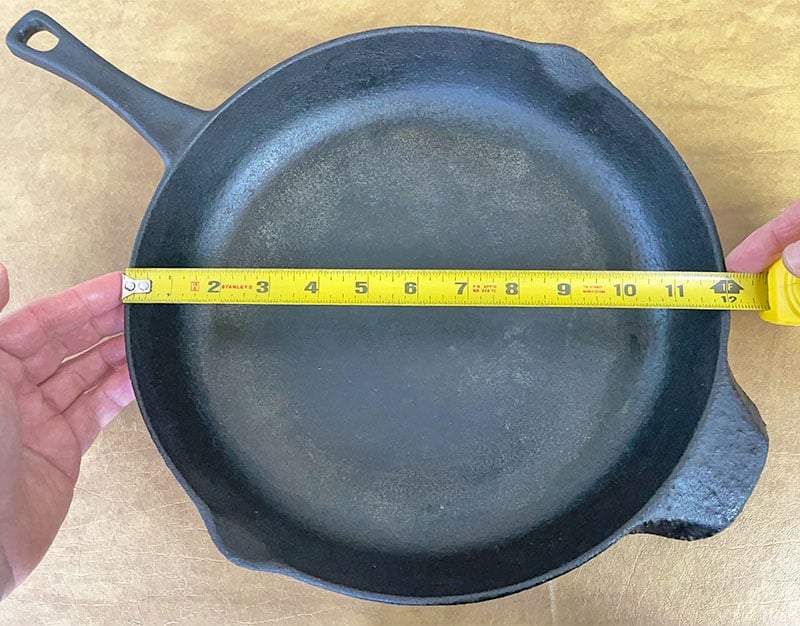
The Evolution of Cast Iron: From Heavyweights to Featherweights
The story of cast iron cookware is a long and storied one, with its roots tracing back centuries. Traditionally, these pans were crafted through a sand-casting process, where molten iron was poured into a sand mold, resulting in thick, heavy, and incredibly durable pieces. These “heavyweights” were prized for their ability to maintain consistent, even heat, making them ideal for everything from slow simmers to high-heat searing.
However, advancements in manufacturing have paved the way for the “featherweights” of the cast iron world. Thin cast iron skillets are often made using different casting techniques, such as metal molds, rotating molds, or even lost-wax casting, which allow for significantly thinner walls and a lighter overall construction. Brands like Lodge’s Blacklock series, Vermicular, and Field Company have pioneered this lighter approach, offering pans that are easier to handle without sacrificing the core benefits that make cast iron so cherished. Even some vintage cast iron pieces from brands like Griswold and Wagner Ware were known for their comparatively lighter, thinner designs. This shift caters to a growing demand for user-friendly kitchen tools that fit seamlessly into modern culinary lifestyles.
Why Choose a Thin Cast Iron Skillet? The Benefits Unpacked
The allure of a thin cast iron skillet lies in its ability to deliver many of the classic advantages of cast iron in a more accessible package.
Lighter and Easier to Handle
This is arguably the most significant draw. Traditional cast iron skillets can weigh upwards of 7 to 10 pounds, making them challenging to maneuver, especially when full of food. A thin cast iron skillet drastically reduces this weight, making it a joy to lift, toss ingredients, and pour sauces with far greater ease. This improved ergonomics makes it a fantastic option for anyone who finds the weight of conventional cast iron cumbersome.
Faster Heat-Up
Due to their thinner construction, these skillets heat up much more rapidly than their thicker counterparts. This can be a game-changer for busy weeknights or when you need to get cooking quickly. While traditional cast iron is known for its slow and steady heat-up, a thin cast iron skillet offers a more responsive cooking experience, allowing you to adjust temperatures with greater agility.
Versatility and Durability
Despite their lighter build, thin cast iron skillets retain the remarkable versatility and durability that cast iron is famous for. They are still perfectly suitable for a wide range of heat sources, including gas, electric, induction cooktops, and even open flames. With proper care, a quality thin cast iron skillet will last for decades, becoming a cherished heirloom in your kitchen.
“A thin cast iron skillet offers the best of both worlds,” shares Chef Leo Sterling, an Eview Buz culinary advisor. “You get that incredible searing capability and the satisfying sizzle, but without the arm workout. It opens up cast iron cooking to so many more home cooks.”
Navigating the Nuances: Understanding the Trade-offs
While the thin cast iron skillet boasts compelling advantages, it’s essential to understand its differences from traditional cast iron. These aren’t necessarily drawbacks, but rather characteristics that influence how you cook with them.
Heat Retention Differences
The primary trade-off for lighter weight is reduced thermal mass, which means a thin cast iron skillet won’t retain heat for as long as a much thicker pan. While it heats up quickly, it also tends to cool down faster when food is added, especially large quantities or cold ingredients. This responsiveness requires a slightly different approach to heat management.
Potential for Hot Spots
Cast iron is not an excellent conductor of heat across its surface; its strength lies in heat retention. Thicker pans mitigate this by having more mass to absorb and distribute heat more evenly. A thinner pan, especially if not preheated properly or if used on a burner smaller than its base, can be more prone to developing “hot spots” directly over the heat source. However, this can be largely managed with careful preheating and understanding your stove’s nuances.
Durability Concerns
While still incredibly durable compared to many other cookware materials, the thinner walls of lightweight cast iron can make them slightly more susceptible to damage from severe drops or impacts. Traditional, thick cast iron is often described as virtually indestructible, whereas a thin cast iron skillet might require a touch more caution in handling to prevent cracks.
Oven-Safety Considerations
Some thin cast iron skillets, particularly those designed for stovetop use, may feature wooden or other non-oven-safe handles. Always check the manufacturer’s specifications if you plan to transfer your skillet from the stovetop to the oven, as traditional cast iron is almost always oven-safe due to its single-piece construction.
Mastering Your Thin Cast Iron: Seasoning and Care
Caring for a thin cast iron skillet is largely similar to caring for its heavier cousins, focusing on seasoning and preventing rust.
Initial Seasoning
Most modern thin cast iron skillets come pre-seasoned, meaning they are ready for use right out of the box after a quick rinse. However, building up a robust, naturally non-stick layer of seasoning is an ongoing process. To enhance your initial seasoning, you can apply a very thin layer of high smoke point oil (like grapeseed or flaxseed oil) and bake the pan upside down in an oven at 450-500°F (230-260°C) for an hour, allowing it to cool completely in the oven. Repeat this process a few times to create a durable base.
Regular Maintenance and Cleaning
After each use, clean your thin cast iron skillet while it’s still warm. Scrape off any food bits with a metal spatula or stiff brush, rinse with hot water, and if necessary, use a small amount of mild dish soap (many modern seasonings can handle it). Avoid harsh scourers. Immediately dry the pan thoroughly on the stovetop over low heat for a few minutes. Once dry, apply a very thin layer of cooking oil to the entire surface before storing. This simple ritual prevents rust and keeps your seasoning strong.
Tips for Optimal Performance
- Preheat Properly: Always preheat your thin cast iron skillet gradually for several minutes over medium heat to ensure even heat distribution and minimize hot spots.
- Use Enough Oil: A thin layer of cooking oil not only aids in seasoning but also helps conduct heat evenly across the cooking surface.
- Don’t Fear the High Heat (But Be Mindful): Thin cast iron can handle high temperatures for searing, but remember it heats up fast. Adjust your burner accordingly to avoid overheating.
Culinary Adventures: What to Cook in Your Thin Cast Iron Skillet
The thin cast iron skillet is incredibly versatile, excelling in many dishes where its lighter weight and quicker heating are advantages.
- Searing Meats and Fish: Achieve that perfect, crispy crust on steaks, chicken, pork chops, or salmon fillets. The quick heat response means less waiting for the pan to get hot enough for an aggressive sear.
- Frying Eggs and Pancakes: With a well-seasoned surface, eggs will slide right out, and pancakes will achieve beautiful, even browning. Its responsive nature makes it easy to control the heat for delicate items.
- Sautéing Vegetables: The pan heats quickly, allowing you to achieve a vibrant sear on vegetables while keeping them crisp-tender.
- Stir-Fries: While not a wok, a thin cast iron skillet can handle quick stir-fries effectively, especially for smaller portions.
Expert Tips for Thin Cast Iron Mastery
Here are answers to some common questions about using your thin cast iron skillet:
How can I prevent hot spots in my thin cast iron skillet?
To prevent hot spots, always preheat your thin cast iron skillet gradually over medium-low heat for about 5-10 minutes before adding food. Using a burner that matches the pan’s base size and a thin layer of oil can also help distribute heat more evenly across the surface.
Can I put a thin cast iron skillet in the oven?
It depends on the specific skillet. While the cast iron body is oven-safe, some thin cast iron skillets, like certain Vermicular models, feature wooden or other non-metal handles that are not designed for oven use. Always check the manufacturer’s instructions for your particular thin cast iron skillet.
How often should I season my thin cast iron skillet?
The frequency of seasoning depends on usage. For a new thin cast iron skillet, consider seasoning it a few times initially to build a strong base. With regular use and proper cleaning, you’ll naturally maintain the seasoning. Re-season whenever you notice food sticking or if the pan looks dull and dry.
Is a thin cast iron skillet as durable as a traditional one?
A thin cast iron skillet is still very durable and long-lasting with proper care. However, due to its thinner walls, it might be slightly more sensitive to severe impacts or drops compared to a thick, traditional cast iron pan, which has more mass to absorb shock.
Thin Cast Iron Skillet: A Quick Comparison
| Feature | Thin Cast Iron Skillet | Traditional Cast Iron Skillet |
|---|---|---|
| Weight | Significantly lighter, easier to handle | Very heavy, can be challenging to maneuver |
| Heat-Up Time | Faster to heat up | Slower to heat up |
| Heat Retention | Good, but cools faster than thick cast iron | Excellent, retains heat for a long time |
| Heat Distribution | Can be prone to hot spots if not preheated properly | Very even heat distribution due to high thermal mass |
| Durability | Very durable, but slightly more fragile if dropped | Extremely durable, almost indestructible |
| Manufacturing | Metal molds, rotating molds, lost-wax casting | Sand-casting |
| Handles | Often riveted, sometimes non-metal (check oven-safe) | Integral cast iron handle (always oven-safe) |
Conclusion
The thin cast iron skillet represents an exciting evolution in cast iron cookware, offering a user-friendly experience without compromising on the essential qualities that make cast iron a culinary legend. By understanding its unique characteristics – its lighter weight, quicker heating, and specific care requirements – you can unlock its full potential in your kitchen. Whether you’re a seasoned chef or a home cook just discovering the joys of cast iron, a thin cast iron skillet from Eview Buz could be the perfect addition, empowering you to create delicious, perfectly cooked meals with greater ease and confidence. Embrace the lighter side of cast iron and elevate your cooking adventures!