Step into any serious home cook’s kitchen, and you’re likely to find a trusted cast iron skillet – a workhorse capable of searing, frying, and baking with unmatched thermal prowess. But for those seeking the pinnacle of performance and a touch of timeless elegance, the Polished Cast Iron Skillet emerges as a true game-changer. At Eview Buz, we celebrate this refined piece of cookware, understanding its history, appreciating its unique benefits, and guiding you to unlock its full potential, transforming your everyday meals into culinary masterpieces.
The Smooth Truth: A Glimpse into Polished Cast Iron’s Past
Before the era of mass production, a cast iron skillet wasn’t just a pan; it was an heirloom, meticulously crafted with a smooth, almost glassy surface. This isn’t a new innovation; it’s a return to tradition, a nod to the skilled artisans who once shaped these culinary treasures.
From Grandparent’s Kitchens: The Legacy of Smoothness
If you’ve ever inherited a vintage cast iron pan from a grandparent, you likely marveled at its incredibly smooth, dark cooking surface. This wasn’t by chance. In the 19th and early 20th centuries, cast iron cookware was routinely milled or ground down after casting to create a remarkably even and slick finish. This process resulted in a pan that was not only beautiful but also exceptionally functional, setting the stage for easier seasoning and superior cooking.
Why Did Rough Become the Norm?
With the advent of industrialization, the intricate, time-consuming process of polishing cast iron interiors was largely abandoned in favor of faster, cheaper manufacturing methods. The rough, pebbly texture that became common in modern cast iron was a byproduct of the sand-casting process left unrefined. While some manufacturers claim this rougher surface helps seasoning adhere better, many enthusiasts argue that a smooth surface, once seasoned, offers a truly superior cooking experience.
Why Choose a Polished Cast Iron Skillet? The Undeniable Advantages
Opting for a polished cast iron skillet isn’t just about aesthetics; it’s about elevating your cooking. These skillets marry the legendary durability and heat retention of cast iron with an enhanced user experience that makes every meal a joy.
Effortless Glide: A Naturally Smoother Cooking Surface
Imagine an egg sliding effortlessly across the pan, or a delicate fish fillet releasing without a struggle. This is the promise of a polished surface. The absence of microscopic ridges and valleys means fewer places for food to cling, creating a more naturally non-stick environment as seasoning develops. This smoother canvas allows for more even contact with your food, contributing to better browning and a superior crust.
Cleaning Up is a Breeze: Less Stuck-On Mess
One of the most common hesitations about cast iron is the perceived difficulty of cleaning. With a polished cast iron skillet, this concern largely dissipates. The smoother surface significantly reduces the likelihood of food getting stubbornly stuck. A quick scrape with a spatula and a wipe with a towel are often all that’s needed, making post-meal cleanup a much more pleasant task. “A truly polished surface transforms the cleaning experience,” says renowned chef and cast iron connoisseur, Julian Thorne. “It’s like wiping down a glass pane compared to a rough brick wall.”
Mastering the Perfect Sear: Unlocking Culinary Potential
Achieving that coveted golden-brown crust on a steak or crispy skin on chicken is a hallmark of cast iron cooking. A polished surface enhances this ability by providing maximum contact between the food and the heat source. This leads to an incredibly even and beautiful sear, elevating the flavor and texture of your dishes. The consistent heat transfer across the smooth surface creates the perfect conditions for the Maillard reaction, yielding depth of flavor that is simply unparalleled.
A Lighter Touch: Maneuverability in the Kitchen
While traditional cast iron is famously heavy, many modern polished cast iron skillets are engineered to be lighter. Brands often achieve this by using a proprietary blend of iron and steel or refining their casting processes, making them easier to handle, lift, and move from stovetop to oven without compromising on performance or durability. This lighter design can make a significant difference for everyday use, offering a more agile cooking experience.
Durability and Heirloom Quality
Like all quality cast iron, a polished skillet is built to last for generations. Its robust construction means it can withstand high temperatures and rigorous use, becoming a cherished piece of kitchenware that tells a story with every meal cooked. The inherent strength of cast iron, combined with the refined finish, ensures that your polished cast iron skillet will be a family treasure, passed down through the years.
Caring for Your Polished Gem: Seasoning and Maintenance Secrets
Proper care is paramount for any cast iron skillet, and a polished version is no exception. While its smooth surface may change the initial seasoning dynamic slightly, the fundamentals remain the same: thin layers of oil and consistent use.
First Impressions Last: Initial Seasoning for Your Polished Cast Iron Skillet
Even if your polished skillet comes pre-seasoned, a good initial seasoning at home can set it up for a lifetime of non-stick performance.
- Clean Thoroughly: Wash the skillet with warm, soapy water and a stiff brush to remove any manufacturing residues. Rinse well and dry completely.
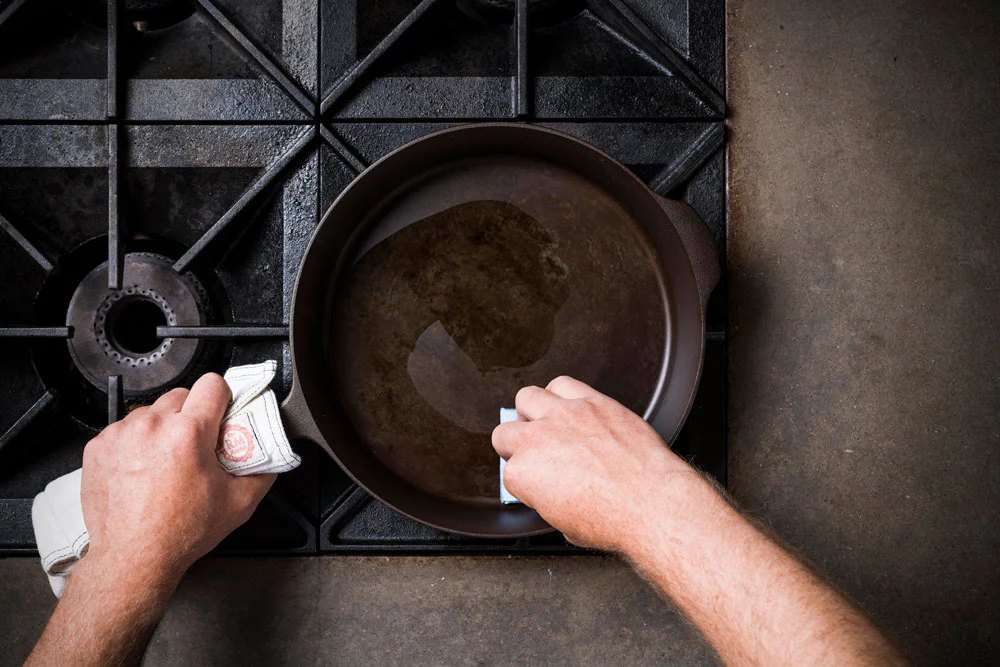
- Apply a Thin Oil Layer: Using a lint-free cloth or paper towel, apply a very thin layer of high smoke point oil (like grapeseed, canola, or flaxseed oil) to every surface of the skillet – inside, outside, and handle. The key is thinness; wipe it as if you’re trying to remove it all.
- Bake It On: Place the skillet upside down in a preheated oven (around 450-500°F or 230-260°C) with aluminum foil on the rack below to catch any drips. Bake for one hour.
- Cool Down: Turn off the oven and let the skillet cool completely inside.
- Repeat: For optimal results, repeat this oiling and baking process three to four times to build a strong initial layer. This initial effort will pay dividends in the long run.
The Daily Ritual: Post-Cook Cleaning and Oiling
Maintaining your polished cast iron skillet is simpler than you might think.
- Clean Immediately: After cooking, allow the pan to cool slightly but clean it while it’s still warm.
- Use Hot Water and Soap: Yes, modern dish soap is fine! It won’t strip away polymerized seasoning. Use a stiff brush or a non-abrasive sponge. For stubborn bits, deglaze with water while heating the pan gently, then scrape with a wooden spoon or metal spatula.
- Dry Thoroughly: This is crucial to prevent rust. You can hand dry with a towel, then place the skillet over low heat on the stovetop for a few minutes until all moisture evaporates.
- Light Oil Coat: Once dry and slightly warm, apply another very thin layer of cooking oil to the entire surface with a paper towel. This protects the seasoning and conditions the pan for its next use.
When to Re-Season: Spotting the Signs
While daily care builds seasoning with every cook, sometimes a full re-seasoning is necessary. Look out for:
- Dull, Gray Patches: Indicates the seasoning is thinning or gone.
- Food Sticking Frequently: A sign that your non-stick layer needs a boost.
- Rust Spots: Immediate re-seasoning is needed after cleaning off rust.
- Flaking Seasoning: Scrub away loose flakes and start fresh.
Beyond the Basics: Tips and Tricks for Polished Cast Iron Cooking
Mastering your polished cast iron skillet involves more than just seasoning; it’s about understanding its unique properties and adapting your cooking techniques.
Heat Control is Key: Taming the Fire
Polished cast iron, especially if it’s thinner than rougher counterparts, can heat up faster. It also retains heat exceptionally well. Begin with medium-low heat and allow the pan to preheat thoroughly for several minutes. This even heating prevents hot spots and ensures food cooks uniformly without scorching. “Don’t rush the preheat,” advises Chef Thorne. “Patience with heat builds character in your cuisine, especially with a polished pan.”
What to Cook: From Delicate Eggs to Sizzling Steaks
A well-seasoned polished cast iron skillet is incredibly versatile. It excels at:
- Frying Eggs: The smooth surface, when properly seasoned, allows eggs to glide effortlessly.
- Pan-Seared Meats: Achieve an unparalleled crust on steaks, chicken, pork chops, and fish.
- Sautéing Vegetables: Even heat distribution ensures vegetables cook evenly and develop beautiful caramelization.
- Baking: From cornbread to skillet cookies, cast iron provides a consistent, all-around bake.
- One-Pan Meals: Start on the stovetop and finish in the oven for easy, flavorful dishes.
Acidity and Cast Iron: A Balanced Approach
While some sources suggest polished cast iron might be slightly more forgiving with acidic foods due to its dense surface, it’s still best to limit prolonged cooking of highly acidic ingredients like tomato sauces or lemon juice. These can potentially strip the seasoning over time. For quick deglazing with wine or a short simmer, it’s generally fine, but always re-oil your pan afterward.
Recipes to Spark Your Culinary Journey
A polished cast iron skillet is your ticket to a world of delectable dishes. Here are just a few ideas to get you started:
- Classic Seared Steak: Achieve a restaurant-quality crust with a tender, juicy interior.
- Fluffy Frittatas and Omelets: Perfect for breakfast, brunch, or a light dinner.
- Crispy Skillet Potatoes: Golden brown and irresistibly crunchy.
- Pan-Seared Salmon with Lemon-Dill Sauce: Delicate fish cooked to perfection with a beautiful sear.
- Skillet Apple Crumble: A warm, comforting dessert baked right in your pan.
- Cornbread: The ultimate Southern staple, with a perfectly crisp crust.
Choosing Your Polished Companion: Brands to Consider
Several esteemed brands are bringing the art of the polished cast iron skillet back to the forefront:
- Field Company: Known for their lightweight design and incredibly smooth, machined cooking surfaces.
- Smithey Ironware: Offers beautifully crafted, hand-polished skillets with a luxurious feel.
- Stargazer Cast Iron: Praised for its smooth interior and innovative design features like flared rims.
- Lancaster Cast Iron: Produces American-made, lightweight, and smooth cast iron for discerning cooks.
- Lodge (Chef Collection / Blacklock): While Lodge is famous for its traditional rough-textured pans, their Chef Collection and Blacklock series offer lighter, smoother alternatives.
Each brand brings its unique heritage and craftsmanship to the table, but all share a commitment to delivering the superior cooking experience that only a polished cast iron skillet can provide.
Frequently Asked Questions
Is polished cast iron truly non-stick?
While not inherently non-stick in the way a Teflon pan is, a properly seasoned and maintained polished cast iron skillet develops a highly effective, natural non-stick surface that rivals or even surpasses other types of cookware. The smoother texture provides a better foundation for seasoning to build upon.
How often should I season my polished skillet?
Beyond the initial seasoning, you build layers of seasoning every time you cook with fat. A full oven re-seasoning is typically only needed a few times a year, or if you notice dull spots, sticking, or rust. Consistent post-cook oiling is your best defense.
Can I use soap on my polished cast iron?
Absolutely! Modern dish soaps are formulated to emulsify grease, not strip away polymerized oil (the actual seasoning). Feel free to use warm, soapy water and a brush to clean your polished cast iron skillet effectively, just remember to dry it thoroughly immediately afterward.
Is polished cast iron lighter than regular cast iron?
Often, yes. Many manufacturers of polished cast iron prioritize lighter designs through refined casting techniques or proprietary metal blends. This makes them easier to handle without sacrificing the superior heat properties of cast iron.
What’s the best oil for seasoning?
High smoke point oils are best for seasoning. Grapeseed oil, canola oil, and vegetable oil are excellent choices. Some enthusiasts also use flaxseed oil for a rapid initial seasoning, though it can sometimes be prone to flaking for some users. The key is thin layers, regardless of the oil.
Can I cook acidic foods in it?
It’s generally recommended to limit prolonged cooking of highly acidic foods like tomato sauce in any non-enameled cast iron, including polished skillets. Acids can break down the seasoning. For quick deglazing or short cooks, it’s usually fine, but always re-oil your pan afterward to protect the surface.
Embrace the Legacy of Smooth Cooking
The polished cast iron skillet represents a bridge between culinary history and modern kitchen innovation. It’s a testament to the enduring appeal of quality craftsmanship and the pursuit of perfection in every meal. By understanding its unique advantages, mastering its simple care, and embracing the joy of cooking with it, you’re not just investing in a pan; you’re investing in a lifetime of exceptional culinary experiences.
At Eview Buz, we’re passionate about bringing you the best in kitchen tools. We invite you to explore the world of polished cast iron and discover how this exquisite piece of cookware can transform your cooking, one perfectly seared dish at a time. Dive in, experiment, and share your delicious creations – the journey is just as rewarding as the destination.