Step into a world where everyday cooking meets outdoor adventure, and your pizza oven transforms into a versatile culinary powerhouse. The Ooni Cast Iron Skillet isn’t just another piece of cookware; it’s a robust, high-performance tool designed to unlock incredible flavors, whether you’re searing a perfect steak at blistering temperatures or crafting a crispy-edged skillet cookie. For anyone who owns an Ooni pizza oven, or is simply looking to elevate their cast iron game, this specialized skillet is a true game-changer, built to withstand the intense heat and deliver unparalleled results, making it an essential addition to any enthusiast’s collection.
What Makes the Ooni Cast Iron Skillet Special?
You might wonder, “Is an Ooni cast iron skillet really different from a regular one?” The answer is a resounding yes, especially when it comes to leveraging the extreme heat capabilities of your Ooni oven.
Built for Extreme Heat (Ooni Ovens)
The primary distinction of the Ooni cast iron skillet lies in its design for ultra-high temperatures. Ooni pizza ovens can reach upwards of 950°F (500°C), a heat level that can challenge standard cookware. Ooni’s cast iron pieces, like the Grizzler and Sizzler pans, are engineered to thrive in this environment, distributing and retaining that intense heat evenly to achieve a perfect crust, sear, or bake. This means faster cooking and exceptional results that are often unattainable with conventional methods.
Versatility Beyond Pizza
While your Ooni oven might be famed for pizza, its potential expands dramatically with the right accessories. The Ooni cast iron skillet transforms your oven into a high-powered outdoor kitchen for much more than just pies. Think perfectly seared steaks with a rich, dark crust, tender roasted vegetables with delightful char, sizzling fajitas, or even a deep-dish skillet cookie baked to golden perfection. It truly broadens the culinary horizons of your outdoor cooking setup.
Quality Construction
Ooni’s cast iron skillets are crafted for durability and performance. Made from heavy-duty cast iron, they are built to last a lifetime with proper care. Many come pre-seasoned, offering a head start on building that coveted non-stick surface. Their robust handles and thoughtful designs, often including removable handles or integrated grip, make them practical and safe for handling in high-heat environments.
Getting Started: Seasoning Your Ooni Cast Iron Skillet
Proper seasoning is the secret sauce to a long-lasting, non-stick Ooni cast iron skillet. Think of it as building a protective, naturally non-stick layer through polymerized oil.
Why Seasoning is Crucial
Seasoning prevents rust, creates a natural non-stick surface, and enhances the flavor of your food over time. A well-seasoned skillet improves with every use, developing a beautiful dark patina. Without it, your skillet can rust and food will stick, making cooking a frustrating experience.
First-Time Seasoning Steps
Even if your Ooni cast iron skillet comes pre-seasoned, an initial round of seasoning at home can further enhance its performance.
- Clean Thoroughly: Wash the skillet with hot water and a stiff brush (no soap, please!). If it’s very sticky or rusty, you might use a tiny bit of mild soap for the very first wash, but rinse exceptionally well.
- Dry Completely: This is critical. Place the skillet over low heat on a stovetop for a few minutes until all moisture evaporates. You don’t want any water left to promote rust.
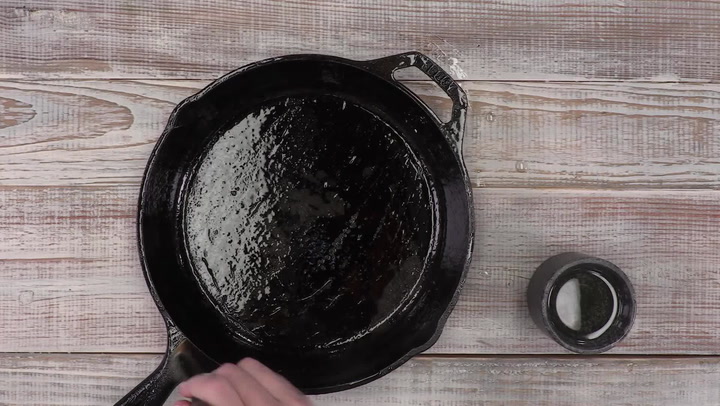
- Apply a Thin Layer of Oil: Using a paper towel, apply a very thin, even layer of high smoke point oil (like flaxseed, grapeseed, canola, or even vegetable oil) to all surfaces of the skillet – inside, outside, and the handle. Wipe off any excess; it should look dry, not greasy. Excess oil will lead to sticky spots.
- Bake It: Place the skillet upside down in your Ooni oven (at its lowest stable temperature, or a conventional oven at 450-500°F / 230-260°C) for one hour. Placing it upside down helps prevent oil from pooling.
- Cool Down: Turn off the oven and let the skillet cool completely inside.
- Repeat: For optimal initial seasoning, repeat steps 3-5 three to four times. This builds up multiple thin layers of seasoning.
Regular Maintenance Seasoning
After cooking, a light maintenance seasoning will keep your Ooni cast iron skillet in top shape:
- After cleaning and drying, apply a tiny bit of oil to the cooking surface and wipe it completely clean.
- Heat it on the stovetop or in your Ooni oven for a few minutes until it just begins to smoke, then let it cool. This helps reinforce the non-stick layer.
Mastering Your Ooni Cast Iron Skillet in the Oven and Beyond
Using your Ooni cast iron skillet effectively means understanding how to harness its heat retention and versatility.
Cooking with High Heat in Ooni Ovens
The beauty of cooking with your Ooni cast iron skillet in an Ooni oven is the intense, radiant heat.
- Preheat is Key: Always preheat your skillet thoroughly in the Ooni oven for at least 10-15 minutes. This ensures even heat distribution and a perfect sear. You want it smoking hot!
- Temperature Control: For searing, aim for higher temperatures. For baking or roasting, you might want to pull the skillet further from the flame or reduce the overall oven temperature slightly to prevent burning. Practice makes perfect here.
- Minimal Oil: Because of the high heat and good seasoning, you often need less oil than you think. A thin layer before cooking is usually sufficient.
Delicious Recipes to Try
The possibilities are endless with an Ooni cast iron skillet.
- Steak: Sear a reverse-seared steak for a perfect crust and juicy interior.
- Roasted Vegetables: Brussels sprouts, asparagus, or potatoes get beautifully caramelized edges.
- Skillet Pizza: A deep-dish or pan pizza style, yielding a wonderfully crispy bottom crust.
- Fajitas: Get that perfect sizzle for chicken or beef fajitas.
- Desserts: A giant chocolate chip cookie, apple crisp, or even a cornbread.
“The Ooni cast iron skillet unlocks a whole new dimension of outdoor cooking,” says Chef Isabella Rossi, a seasoned outdoor cooking expert. “From blistering hot sears on a steak to perfectly baked skillet desserts, its ability to handle extreme temperatures without compromise makes it an indispensable tool for any Ooni oven owner.”
Essential Cooking Tips
- Don’t Overcrowd: Give your food space in the skillet to ensure proper searing and browning, rather than steaming.
- Listen and Watch: Pay attention to the sizzle and color. Cast iron holds heat incredibly well, so things cook quickly.
- Use Proper Tools: Metal spatulas and tongs are your friends when cooking with cast iron; they won’t damage the seasoning and are excellent for scraping up delicious fond.
Cleaning and Care for Longevity
Taking care of your Ooni cast iron skillet is simple, but crucial for its lifespan and performance.
Immediate Post-Cook Cleaning
The best time to clean your skillet is immediately after use, while it’s still warm.
- Scrape Off Food: Use a metal spatula or a plastic scraper to remove any stuck-on food.
- Hot Water Rinse: Rinse under hot running water. Avoid soap unless absolutely necessary, as it can strip away seasoning. For most uses, hot water and a good scrub brush are all you need.
- Stubborn Bits: For truly stubborn bits, try a coarse salt scrub. Add a tablespoon or two of coarse salt and a little oil, then scrub with a paper towel. The salt acts as a gentle abrasive.
Stubborn Stains?
If you encounter very tough, burnt-on residue, boil some water in the skillet for a few minutes. This often loosens the food, making it easier to scrape off.
Drying and Storing
This is perhaps the most important step to prevent rust.
- Dry Completely: After washing, immediately dry the skillet thoroughly with a clean towel.
- Heat to Dry: Place the skillet over low heat on a stovetop for a few minutes until all moisture has evaporated. You should see it smoking slightly.
- Light Oil Rub: While still warm, apply a very thin layer of cooking oil to the interior surface. Wipe off any excess until it looks almost dry.
- Store Properly: Store your Ooni cast iron skillet in a dry place. If stacking, place a paper towel between skillets to absorb any residual moisture and prevent scratching.
Ooni Cast Iron Skillet vs. Traditional Cast Iron: What’s the Difference?
While the core material is the same, an Ooni cast iron skillet is often optimized for the intense, unique cooking environment of a pizza oven. Traditional cast iron is incredibly versatile, working beautifully on stovetops, in conventional ovens, and over campfires. Ooni’s versions are specifically designed to excel under the direct, high-flame heat of their ovens, with features like integrated handles that fit easily or are detachable for space, and robust construction to handle temperature extremes without warping or damage. It’s built to withstand the high-octane performance you expect from an Ooni product.
Your Burning Questions Answered (FAQ)
Can I use my Ooni Cast Iron Skillet on a regular stovetop?
Absolutely! Your Ooni cast iron skillet is incredibly versatile and performs excellently on gas, electric, induction stovetops, and even over an open flame, making it a fantastic all-around cooking tool.
How do I prevent food from sticking?
Proper seasoning is key to preventing food from sticking. Always preheat your Ooni cast iron skillet thoroughly and use a small amount of oil or fat, ensuring an even coating before adding food.
Is it dishwasher safe?
No, never put your Ooni cast iron skillet in the dishwasher. The harsh detergents and prolonged moisture will strip the seasoning and cause rust, severely damaging your skillet.
What’s the best oil for seasoning?
High smoke point oils like flaxseed, grapeseed, canola, or vegetable oil are excellent choices for seasoning an Ooni cast iron skillet. They polymerize well, creating a durable, non-stick surface.
Can I cook acidic foods in it?
It’s generally best to avoid cooking highly acidic foods like tomatoes or wine sauces in your Ooni cast iron skillet frequently, especially when it’s new. Acidic ingredients can strip away the seasoning and impart a metallic taste to your food.
Elevate Your Cooking with the Ooni Cast Iron Skillet
Embracing the Ooni cast iron skillet is more than just adding another piece of cookware to your collection; it’s an investment in a lifetime of delicious, perfectly cooked meals. From the searing heat of your Ooni pizza oven to the comforting simmer on your stovetop, this durable and versatile tool promises to deliver exceptional results every time. Unlock new flavors, expand your culinary repertoire, and experience the joy of cooking with a skillet that truly stands the test of time and heat. It’s time to get cooking and discover the incredible potential that an Ooni cast iron skillet brings to your kitchen, both indoors and out.