The sizzle of food hitting a hot pan, the anticipation of a perfectly seared steak, or eggs that glide effortlessly from the surface – this is the dream of every home cook. When you think of a Non Stick Cast Iron Skillet, you might imagine something akin to modern chemically-coated pans. However, the true magic of cast iron lies in its ability to become wonderfully, naturally non-stick, not through an artificial coating, but through a process of care, use, and proper seasoning. At Eview Buz, we believe in empowering you to unlock this potential, transforming your cast iron into a kitchen workhorse that rivals any conventional non-stick cookware.
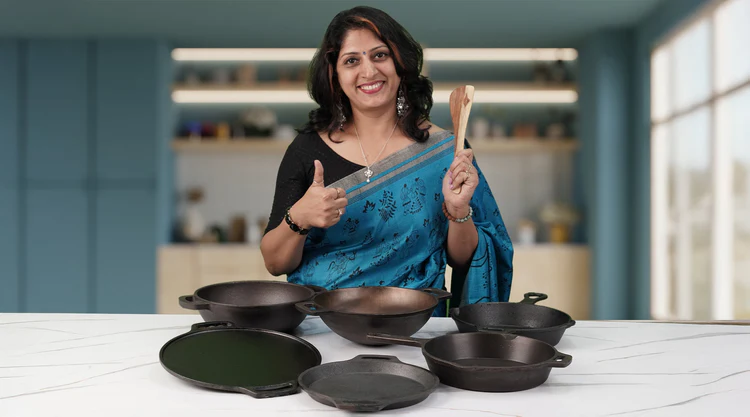
The Enduring Legacy: A Brief History of Cast Iron Skillets
Cast iron skillets have graced kitchens for centuries, a testament to their robust utility and timeless appeal. Their origins trace back to ancient China, and they became staples in European and American households by the 17th century. Long before the advent of synthetic non-stick coatings, cooks relied on the inherent properties of cast iron and a practice known as “seasoning” to achieve a relatively non-stick surface. This tradition has been passed down through generations, making cast iron not just a cooking tool, but a piece of culinary history. Its simple, unadulterated composition allowed for a gradual, natural development of its non-stick qualities, evolving with each meal cooked.
Why Choose Cast Iron? The Real Non-Stick Secret
Why does cast iron continue to capture the hearts of chefs and home cooks alike, especially when modern non-stick alternatives are readily available? The answer lies in its unique advantages and the true secret to its non-stick nature:
- Unrivaled Durability: A well-cared-for cast iron skillet can literally last for generations, often becoming a cherished family heirloom.
- Superior Heat Retention: Once heated, cast iron holds and distributes heat incredibly evenly, making it perfect for searing meats, frying, and baking.
- Chemical-Free Cooking: Unlike some synthetic non-stick pans that can leach chemicals when scratched or overheated, a seasoned cast iron skillet offers a naturally formed, food-safe cooking surface.
- The Magic of Seasoning: The “non-stick” property of cast iron comes from a layer of polymerized oil, known as seasoning. When oil is heated to its smoke point repeatedly, it bonds to the iron, creating a smooth, slick, and protective layer that prevents food from sticking. This is why a non stick cast iron skillet isn’t born, it’s made through consistent care.
- A Touch of Iron: Cooking with cast iron can even boost the iron content of your food, a subtle health benefit.
“The true magic of a non-stick cast iron skillet isn’t in a factory coating, but in the love and care you put into its seasoning. It’s a partnership between cook and cookware, evolving into an unparalleled cooking experience,” says Chef Anya Sharma, acclaimed culinary expert and cast iron enthusiast.
The Art of Seasoning: Achieving Your Non-Stick Cast Iron Surface
Achieving a truly non stick cast iron skillet is an art, but one that is remarkably easy to master with patience and consistency. Proper seasoning builds the foundation for a lifetime of non-stick cooking.
Initial Seasoning (For New or Stripped Skillets)
Whether you have a brand-new skillet or one that needs a complete re-seasoning, these steps will create the foundational non-stick layer:
- Clean Thoroughly: Wash your skillet with hot, soapy water and a stiff brush to remove any factory wax or residue. Rinse well.
- Dry Completely: This is crucial! Place the skillet on a stovetop over medium heat for 5-10 minutes, or until all moisture has evaporated. Rust is the enemy.
- Apply Oil: Once cool enough to handle, apply a very thin layer of high smoke point oil (such as grapeseed, flaxseed, vegetable oil, or Crisco) to every surface of the skillet – inside, outside, and handle. Less is more here; you want a microscopic film, not a visible sheen.
- Wipe Excess: Using a clean cloth or paper towel, wipe off all visible oil. It should look like there’s no oil left, but a thin, invisible layer remains.
- Bake: Place the skillet upside down in a preheated oven at 450-500°F (230-260°C). Place aluminum foil on the rack below to catch any drips.
- Bake for One Hour: Let it bake for one hour.
- Cool Down: Turn off the oven and let the skillet cool completely inside the oven. This helps the seasoning bond.
- Repeat: For optimal non-stick performance, repeat steps 3-7 at least 3-5 times. Each layer builds upon the last, creating a stronger, slicker surface.
Maintenance Seasoning (Ongoing Care)
This is the secret to maintaining that coveted non stick cast iron skillet performance:
- After each wash and thorough drying, apply a whisper-thin layer of cooking oil.
- Heat the skillet on your stovetop over medium-low heat until it just starts to smoke (this only takes a minute or two).
- Let it cool. This quick, post-wash seasoning session continuously reinforces your non-stick surface.
Cleaning and Caring for Your Non-Stick Cast Iron Skillet
The way you clean and care for your cast iron directly impacts its non-stick performance. Fear not, it’s simpler than you might think!
- The “Soap” Myth Debunked: For years, people were told to never use soap on cast iron. This is largely a myth from a time when lye-based soaps were common and would strip seasoning. Modern mild dish soap is perfectly fine and won’t harm your well-seasoned skillet. Use it sparingly.
- Best Cleaning Practices:
- While warm: It’s easiest to clean cast iron while it’s still warm.
- Hot Water & Scrubber: Use hot water and a stiff brush, nylon scraper, or even a chain mail scrubber to remove food residue.
- Avoid Steel Wool: Harsh abrasives like steel wool can strip away your precious seasoning.
- For Stubborn Bits: If food is really stuck, simmer a little water in the skillet for a few minutes, then scrape.
- Immediate Drying is Key: After washing, immediately dry your skillet thoroughly with a towel. Then, place it on a stovetop over medium heat for 1-2 minutes until any remaining moisture has evaporated. This prevents rust.
- Light Oil Finish: Once dry and still warm, apply a very thin coat of cooking oil to the interior surface. This protects the seasoning and keeps it ready for its next use as a non stick cast iron skillet.
Delectable Dishes: Cooking with Your Non-Stick Cast Iron Skillet
With a properly seasoned and cared-for non stick cast iron skillet, a world of culinary possibilities opens up. You’ll be amazed at how well it performs for a variety of dishes:
- Perfect Eggs: Whether fried, scrambled, or an omelet, eggs will slide right off with minimal oil once your seasoning is established.
- Fluffy Pancakes and Crepes: Achieve beautifully golden, evenly cooked pancakes and delicate crepes without any sticking issues.
- Searing Meats: Get an incredible, restaurant-quality crust on steaks, chicken, pork chops, and fish.
- Crispy Fried Chicken: The even heat distribution makes it ideal for perfectly golden and crispy fried chicken.
- Baking: From rustic cornbread and frittatas to skillet cookies and pizzas, cast iron transitions seamlessly from stovetop to oven.
Tips and Tricks for Non-Stick Cast Iron Mastery
Beyond seasoning and cleaning, a few cooking habits will further enhance your non stick cast iron skillet experience:
- Preheat Slowly and Thoroughly: Give your cast iron time to heat evenly over medium-low heat before adding food. A properly preheated pan is less likely to stick.
- Always Use Some Fat: Even a well-seasoned pan benefits from a little cooking oil, butter, or animal fat. It helps food release and contributes to the seasoning.
- Don’t Overcrowd the Pan: Overcrowding lowers the pan’s temperature and steams food, leading to sticking. Cook in batches if necessary.
- Avoid Acidic Foods Initially: When your seasoning is new or still developing, highly acidic foods like tomato sauce, wine, or citrus can strip away the seasoning. Save these for a deeply seasoned, well-established pan.
- Embrace the Journey: Building a truly non stick cast iron skillet takes time and consistent use. Every time you cook, you’re contributing to its amazing surface. Don’t get discouraged if it’s not perfect overnight!
Frequently Asked Questions
A non stick cast iron skillet is a fantastic tool, but new users often have questions.
- Q: Is “non stick cast iron skillet” truly non-stick like Teflon?
- A: While not coated with synthetic chemicals like Teflon, a properly seasoned cast iron skillet develops a natural, highly effective non-stick surface through polymerized oil, offering a different, chemical-free kind of non-stick.
- Q: What’s the best oil for seasoning to make it non-stick?
- A: High smoke point oils like grapeseed oil, flaxseed oil, vegetable oil, or Crisco shortening are excellent choices for seasoning. Consistency and thin layers are more important than the specific oil.
- Q: How often should I season my cast iron for best non-stick performance?
- A: After initial seasoning, simply perform maintenance seasoning (a thin oil layer heated on the stovetop) after every wash, or every few uses, to continuously build and reinforce the non-stick layer.
- Q: Can I use soap on my non-stick cast iron skillet?
- A: Yes, mild dish soap is fine. The old “no soap” rule applied to harsh lye soaps that would strip seasoning. Modern soaps won’t harm your polymerized oil layer.
- Q: Why is my cast iron skillet still sticking?
- A: Common reasons include insufficient seasoning, not preheating the pan thoroughly, not using enough cooking fat, or cooking highly acidic foods on a new seasoning. Patience and consistent care are key.
- Q: How do I store my non-stick cast iron skillet?
- A: Ensure it’s completely dry and lightly oiled. Store it in a dry place. If stacking, place a paper towel between skillets to prevent moisture buildup and scratches.
- Q: What are the best foods to cook in a non-stick cast iron skillet?
- A: It excels at frying eggs, pancakes, searing meats, frying chicken, and baking cornbread or skillet desserts. Its excellent heat retention makes it versatile for many dishes.
The Eview Buz Promise: Your Journey to Non-Stick Mastery
Embracing the non stick cast iron skillet is a commitment to a richer, more durable, and naturally effective way of cooking. It’s a tool that will adapt and improve with you, becoming an irreplaceable part of your culinary journey. At Eview Buz, we are dedicated to being your ultimate resource, guiding you through every step, from selecting your first skillet to mastering the art of seasoning and care. We encourage you to experiment, learn, and discover the unparalleled joy and performance of cooking with a truly non stick cast iron skillet. Join the Eview Buz community and unlock the full potential of this timeless kitchen essential.