For centuries, cast iron cookware has held a cherished spot in kitchens around the globe, and among its most versatile forms is the flat cast iron skillet. Often affectionately known as a griddle, this culinary powerhouse is far more than just a pan; it’s a gateway to delicious, evenly cooked meals that boast that unmistakable old-world charm. Whether you’re a seasoned chef or just beginning your culinary journey, understanding the nuances of a flat cast iron skillet will undoubtedly elevate your cooking game. At Eview Buz, we believe in empowering you with the knowledge to make the most of your kitchen tools, and this guide is your definitive resource for everything “flat cast iron skillet.”
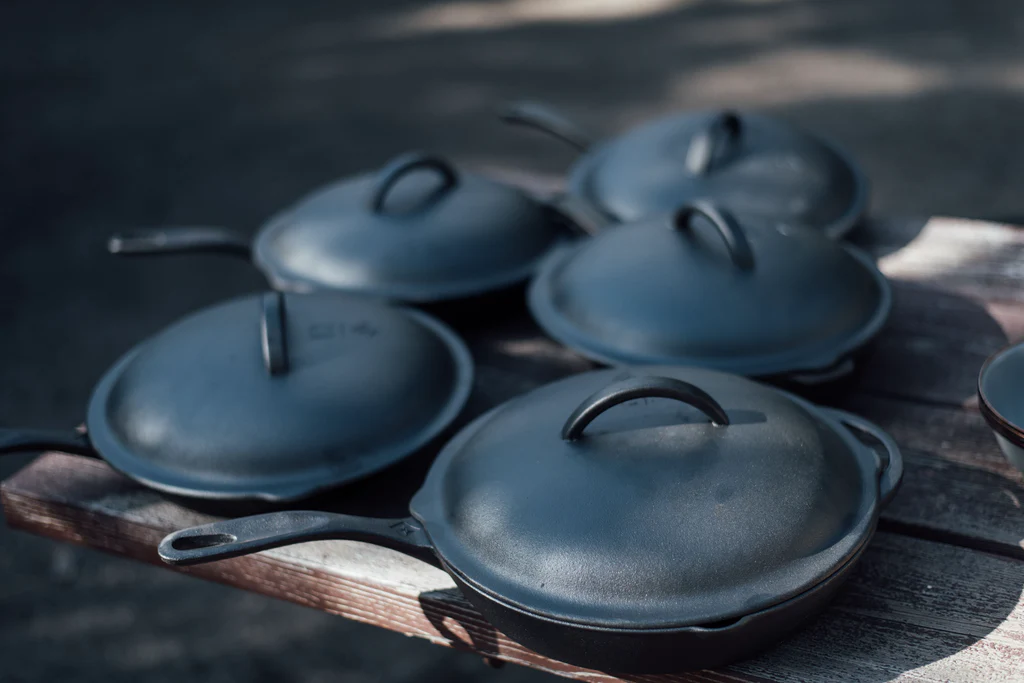
What Exactly is a Flat Cast Iron Skillet? (Often a Griddle!)
When we talk about a flat cast iron skillet, we’re usually referring to a cast iron griddle. The key characteristic that sets it apart from a traditional cast iron skillet is its design: it boasts a flat, expansive cooking surface with very low or sometimes no sides. This shallow edge design makes it exceptionally easy to slide spatulas under food, flip pancakes with precision, or remove delicate items like tortillas without a fuss. A flat cast iron skillet provides a larger, more accessible cooking area, making it ideal for preparing multiple items simultaneously, from a full breakfast spread to a batch of homemade flatbreads.
A Glimpse into the Past: The Enduring History of Cast Iron Cookware
The story of cast iron cookware is a long and rich one, stretching back to ancient China around the 5th century BCE, where innovators first discovered how to cast molten iron into practical shapes. By the 17th century, cast iron vessels were staples in colonial American homes, primarily used for cooking over open hearths.
The true rise of the flat cast iron skillet, or griddle, occurred in the 18th and 19th centuries with the increasing popularity of cooking stoves. These flat-bottomed pans were perfectly suited for the consistent heat provided by new stove designs. Iconic American brands like Griswold (established 1865) and Wagner (1891) became synonymous with quality cast iron, crafting pieces that are still sought after by collectors today. While the mid-20th century saw a decline with the advent of lighter, nonstick alternatives, cast iron has experienced a significant resurgence. A pivotal moment was Lodge Cast Iron’s introduction of pre-seasoned cookware in 2002, making it more accessible to home cooks and sparking a renewed appreciation for its timeless qualities.
Why Every Kitchen Needs a Flat Cast Iron Skillet: Unmatched Benefits
There’s a reason why the flat cast iron skillet has stood the test of time, proudly handed down through generations. Its robust construction offers a host of benefits that modern cookware often struggles to match.
Exceptional Heat Retention & Even Distribution
Why does my flat cast iron skillet cook evenly?
The dense nature of cast iron means it heats slowly, but once it reaches temperature, it retains and distributes that heat incredibly evenly across its entire flat surface. This consistent, uniform heat is paramount for achieving perfect browning and cooking through without hot spots, ensuring your pancakes are golden from edge to edge and your grilled cheese sandwiches have that ideal crust.
Unrivaled Durability and Longevity
How long can a cast iron skillet last?
With proper care, a flat cast iron skillet is virtually indestructible and can genuinely last for generations. Unlike many modern pans that wear out or lose their nonstick coating over time, cast iron can often be restored even after significant neglect, making it a sustainable and cost-effective investment for your kitchen.
Naturally Nonstick with Proper Seasoning
Is a flat cast iron skillet truly nonstick?
Yes, a well-seasoned flat cast iron skillet develops a natural, slick, and impressively nonstick cooking surface. This “seasoning” is a layer of polymerized oil that bonds to the iron, creating a protective barrier that not only prevents food from sticking but also guards against rust. Over time, with consistent use and care, this natural coating only gets better.
Versatility Across All Heat Sources
A flat cast iron skillet is a true workhorse, comfortable on nearly any heat source. You can use it on gas, electric, and induction stovetops, as well as in the oven, on a grill, or even over an open campfire. This adaptability makes it an invaluable tool for both indoor and outdoor cooking adventures.
Health-Conscious Cooking
Opting for a flat cast iron skillet is also a healthier choice. It provides a chemical-free alternative to traditional nonstick pans, avoiding the release of potentially harmful perfluorocarbons (PFCs) associated with some synthetic coatings. Additionally, cooking in cast iron can even fortify your food with small, beneficial amounts of dietary iron, a welcome bonus for many.
Mastering the Art of Seasoning Your Flat Cast Iron Skillet
Seasoning is the heart and soul of your flat cast iron skillet. It’s the process that transforms raw cast iron into a beautifully functional, nonstick surface that will serve you for years.
Why Seasoning Matters
Seasoning your flat cast iron skillet is crucial for two main reasons: it protects the bare iron from rust and creates that coveted nonstick cooking surface. It’s essentially baking thin layers of oil onto the surface, which polymerizes and becomes a hard, slick coating.
Initial Seasoning Step-by-Step
Even if your flat cast iron skillet comes pre-seasoned, an initial home seasoning can enhance its performance. Here’s how to do it right:
- Clean Thoroughly: Wash your new skillet with warm, soapy water and a brush. While some shy away from soap, it’s fine for a new, unseasoned pan. Rinse well.
- Dry Completely: Dry the skillet thoroughly with a towel. To ensure all moisture is gone, place it on a stovetop burner over medium heat for a few minutes until it’s completely dry.
- Apply Oil: Once cool, apply a very thin, even layer of high-smoke-point cooking oil (such as vegetable oil, canola oil, flaxseed oil, or shortening) to the entire surface of the skillet – inside, outside, and handle. Use a paper towel to rub it in, then wipe off any excess. You want it barely visible, not greasy.
- Bake: Preheat your oven to 350-400°F (175-200°C). Place a baking sheet on the bottom rack to catch any drips. Place your oiled skillet upside down on the center rack.
- Cook & Cool: Bake for one hour. After an hour, turn off the oven and let the skillet cool completely inside the oven. This slow cooling helps the seasoning bond effectively.
- Repeat: For optimal results, repeat this process 3-4 times. You’ll notice your flat cast iron skillet becoming darker, smoother, and more nonstick with each cycle.
Regular Maintenance Seasoning
The best way to maintain your seasoning is simply to use your skillet frequently. Each time you cook with oil or fat, you’re essentially adding another layer of seasoning. After cleaning (as described below), a quick stovetop seasoning can also help: heat the dry skillet over medium heat, add a tiny amount of oil, rub it in with a paper towel until it barely smokes, then let it cool.
Keeping It Pristine: Cleaning and Caring for Your Flat Cast Iron Skillet
Proper cleaning and care are vital to ensure your flat cast iron skillet remains a cherished kitchen tool for decades.
Daily Cleaning Best Practices
After each use, clean your skillet while it’s still warm:
- Scrape Off Food: Use a metal spatula or scraper to remove any stuck-on food.
- Wash Gently: Wash with warm water and a stiff brush or sponge. A small amount of mild dish soap is generally acceptable, especially for well-seasoned pans, despite old myths. Avoid abrasive scouring pads that can strip the seasoning.
- Rinse Thoroughly: Ensure all food particles and soap residue are rinsed away.
Drying and Re-Oiling
This step is critical to prevent rust:
- Dry Immediately: Dry your skillet completely with a towel. Do not let it air dry.
- Heat to Dry: For extra assurance, place the skillet on a stovetop burner over medium-low heat for a few minutes until all moisture has evaporated. You’ll see steam if there’s still water.
- Light Oiling: Once dry and slightly warm, apply a very thin layer of cooking oil (e.g., vegetable or flaxseed oil) with a paper towel to the cooking surface and the exterior. Buff until it looks dry, not greasy. This protects the seasoning and prevents rust.
Storage Tips
Store your clean, oiled flat cast iron skillet in a dry place. If stacking other cookware on top, place a paper towel or cloth between them to prevent scratches and allow for air circulation, which helps deter moisture buildup.
Culinary Delights: Recipes Perfect for Your Flat Cast Iron Skillet
The flat cast iron skillet truly shines when it comes to dishes that benefit from an expansive, even heating surface and easy access for flipping.
Breakfast Staples
Imagine a weekend morning with a flat cast iron skillet loaded with fluffy pancakes, crispy bacon, perfectly fried eggs, and golden French toast. The low sides make flipping an absolute breeze, allowing you to prepare a hearty breakfast for the whole family simultaneously.
Searing & Flatbreads
Beyond breakfast, the flat cast iron skillet excels at searing. Get a beautiful, caramelized crust on steaks, chicken thighs, or fish. It’s also perfect for making homemade tortillas, quesadillas, grilled cheese sandwiches, or paninis, delivering that sought-after even browning.
Unexpected Treats
Don’t limit your imagination! Use your flat cast iron skillet for roasting vegetables, making crisp flatbread pizzas, or even baking delightful skillet cookies and fruit crisps, leveraging its superb heat retention for consistent results.
|
Our Picks for the Best Cast Iron Skillet in 2026
As an Amazon Associate I earn from qualifying purchases.
|
||
| Num | Product | Action |
|---|---|---|
| 1 | Utopia Kitchen Cast Iron Skillets 12 Inch, Chef\'s Pan, Pre-Seasoned Frying Pan, Stovetop, Oven, Campfire and Grill Large Skillet, Even Heat Distribution Multipurpose Cast Iron Pan - Black |

|
| 2 | Lodge 12 Inch Cast Iron Skillet with Red Silicone Hot Handle Holder – Pre-Seasoned Frying Pan for Stove, Oven, Grill & Campfire – Made in the USA – Durable, Nonstick Cast Iron Cookware – Black |
|
| 3 | Lodge 10.25 Inch Cast Iron Skillet – Pre-Seasoned Frying Pan with Teardrop Handle – Oven, Stovetop, Grill & Campfire Use – Made in USA – Durable, Non-Toxic, Even-Heating Cookware – Black |
|
| 4 | Bakken 12\" Cast Iron Skillets, Pre-Seasoned Frying Pan with Even Heat Retention Cooking, Versatile for Stove, Oven, Grill & Campfire, Easy-Grip Handles, Hand Wash Only, 6.61 lbs |
|
| 5 | Lancaster Cast Iron No. 10 Skillet - 11-5/8-Inch Pre-Seasoned Heirloom Pan - Made in USA |
|
| 6 | Victoria Cookware 10-Inch Amazonia Cast Iron Skillet, Decorative Preseasoned Frying Pan with Cast Design, Made in Colombia, Macaw |
|
| 7 | Utopia Kitchen Saute Frying Pan 12 Inch, Cast Iron Chefs Pan, Pre Seasoned Cast iron Skillet With Lid, Safe Grill Cookware for Indoor & Outdoor Use, Black |
|
| 8 | Utopia Kitchen Cast iron Skillets 3 Piece Set, Chefs Pan, Pre Seasoned Cast iron Skillets, 6, 8 & 10 Inches, Easy Use in the Oven, Stove, Grill, or Campfire, Black |
|
| 9 | Field Company 10.25-Inch Cast Iron Skillet – Pre-Seasoned Frying Pan for Searing, Baking & Everyday Cooking, Lighter & Easy to Handle, Smooth, Made in USA (No.8, 2–4 Servings) |
|
| 10 | Amazon Basics Pre-Seasoned Cast Iron Skillet, Oven Safe, Even Heating, Heavy-Duty & Large, 15-Inch, Black |
|
Expert Tips for Flat Cast Iron Skillet Success
Even with the right seasoning and cleaning routine, a few insider tips can make all the difference when cooking with your flat cast iron skillet.
Preheating Correctly
Always preheat your flat cast iron skillet slowly and thoroughly over medium-low heat for 5-10 minutes before adding food. This allows the heat to distribute evenly across the entire surface, preventing hot spots and ensuring consistent cooking. Chef Isabella Rossi, a renowned culinary expert, advises, “Patience is key with cast iron. Don’t rush the preheat; it’s the secret to getting that perfect sear or even cook every single time.”
Oil Selection
While any cooking oil can work, high-smoke-point oils are best for both cooking and seasoning. These include vegetable oil, canola oil, grapeseed oil, or shortening. They can withstand the high temperatures cast iron often reaches without breaking down or smoking excessively.
Avoiding Common Mistakes
- Excessive Soap: While mild soap is fine, avoid using large amounts or harsh detergents, especially on a new or less seasoned pan, as it can strip away the polymerized oil.
- Acidic Foods (Initially): When your skillet is new or lightly seasoned, acidic foods like tomatoes or lemon juice can react with the iron and potentially strip the seasoning. As the seasoning builds up, this becomes less of an issue.
- Leaving Food in the Pan: Don’t store cooked food in your cast iron skillet, as it can react with the metal and affect both the food’s flavor and the pan’s seasoning.
Frequently Asked Questions About Flat Cast Iron Skillets
Q: Can I put my flat cast iron skillet in the dishwasher?
A: No, you should never put a bare cast iron skillet in the dishwasher. The harsh detergents and prolonged exposure to moisture will strip its seasoning and cause it to rust quickly.
Q: How do I know when my skillet needs re-seasoning?
A: Your flat cast iron skillet likely needs re-seasoning if food starts sticking more than usual, if the surface appears dull or grayish, or if you notice any spots of rust. These are all signs that the protective seasoning layer has worn down.
Q: What’s the best oil for seasoning a flat cast iron skillet?
A: High-smoke-point oils like vegetable oil, canola oil, grapeseed oil, or flaxseed oil are excellent choices for seasoning. Flaxseed oil is particularly known for creating a durable seasoning layer, though it can be more prone to flaking if applied too thickly.
Unlock Culinary Excellence with Your Flat Cast Iron Skillet
The flat cast iron skillet is a testament to timeless design and unparalleled performance in the kitchen. From its deep historical roots to its incredible durability, natural nonstick properties, and unmatched heat distribution, it offers a cooking experience that is both authentic and incredibly rewarding. By understanding how to properly season, clean, and cook with this versatile tool, you’ll not only prepare exceptional meals but also forge a lasting bond with a piece of cookware that can truly last a lifetime. Embrace the Eview Buz philosophy of informed cooking, and let your flat cast iron skillet become the cornerstone of countless delicious memories. Start experimenting, cooking, and sharing your cast iron culinary journey today!