Imagine stepping into your kitchen, ready to create a culinary masterpiece, and reaching for a piece of cookware that’s not just incredibly functional but also undeniably beautiful. That’s the magic of the pink cast iron skillet. It’s more than just a pan; it’s a statement, blending the timeless performance of cast iron with a modern splash of color that brings joy and personality to your cooking space. If you’ve been dreaming of cookware that works as hard as it looks good, a pink cast iron skillet might just be your new kitchen essential.
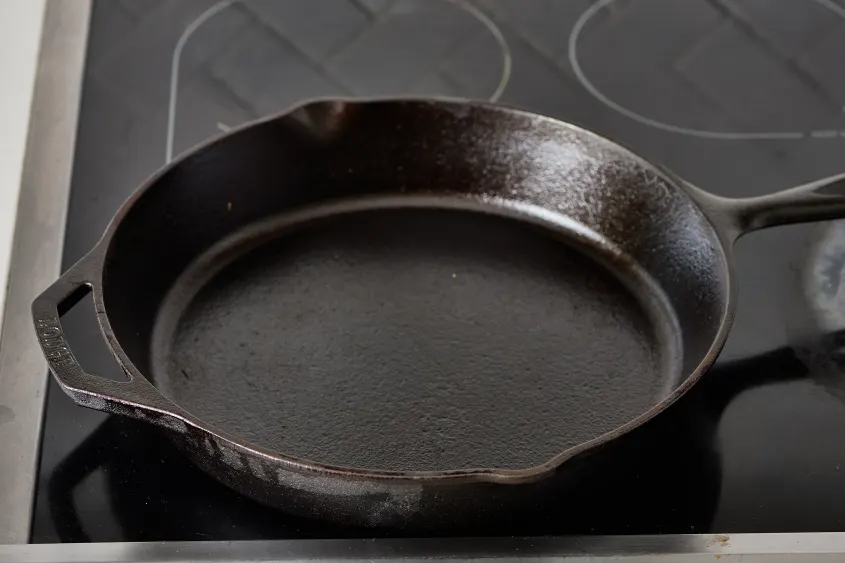
The Allure of Pink Cast Iron Skillets
Why settle for ordinary when you can infuse your cooking with a touch of elegance and warmth? The growing popularity of the pink cast iron skillet speaks volumes about a shift in kitchen aesthetics, where utility meets vibrant style.
A Splash of Color in Your Kitchen
A pink cast iron skillet instantly brightens any kitchen. It acts as a delightful focal point, whether simmering on your stovetop or proudly displayed on open shelving. This pastel hue, ranging from soft blush to vibrant fuchsia, transforms a utilitarian tool into a piece of home decor, reflecting current interior trends that embrace personalized and inviting spaces. It’s perfect for those who want their kitchen to feel like a true extension of their unique style.
The Enduring Benefits of Cast Iron
Beyond its captivating color, the heart of a pink cast iron skillet lies in its traditional cast iron core. Known for its exceptional heat retention and even heat distribution, cast iron ensures that your food cooks uniformly, developing incredible flavor and texture. From perfectly seared steaks to golden-brown cornbread, cast iron delivers consistent, superior results that other materials often struggle to match. It’s a durable workhorse, built to last for generations.
Understanding Pink Cast Iron: Enameled vs. Traditional
When we talk about a pink cast iron skillet, it’s crucial to understand a key distinction: most colored cast iron, including pink, is enameled. This coating significantly changes its characteristics compared to bare, traditional cast iron.
The Enameled Difference
An enameled pink cast iron skillet features a smooth, vitreous (glass) coating fused to the cast iron at high temperatures. This enamel layer is what gives the skillet its beautiful pink hue and offers several advantages:
- No Seasoning Required: Unlike traditional cast iron, enameled cast iron doesn’t need to be seasoned. It’s ready to use right out of the box.
- Non-Reactive Surface: The enamel prevents the iron from reacting with acidic foods like tomatoes or citrus, preserving their true flavors and preventing metallic tastes.
- Easier Cleaning: The smooth, non-porous surface makes cleanup a breeze, often just requiring warm soapy water and a soft sponge.
- Rust Resistance: The enamel coating protects the underlying cast iron from rust, a common concern with traditional cast iron if not properly maintained.
What About Traditional Pink Cast Iron?
While some rare, older pieces of raw cast iron might have taken on a reddish patina over time, true “pink” cast iron as a retail product is almost exclusively enameled. Bare cast iron is typically black or dark grey due to the seasoning process, which creates a protective, polymerized oil layer. If you encounter a non-enameled cast iron skillet that appears pink, it’s likely unseasoned or has a temporary coating, and would need to be seasoned before use to prevent rust and create a non-stick surface.
|
Our Picks for the Best Cast Iron Skillet in 2026
As an Amazon Associate I earn from qualifying purchases.
|
||
| Num | Product | Action |
|---|---|---|
| 1 | Bakken 12\" Cast Iron Skillets, Pre-Seasoned Frying Pan with Even Heat Retention Cooking, Versatile for Stove, Oven, Grill & Campfire, Easy-Grip Handles, Hand Wash Only, 6.61 lbs |

|
| 2 | Lancaster Cast Iron No. 10 Skillet - 11-5/8-Inch Pre-Seasoned Heirloom Pan - Made in USA |
|
| 3 | Utopia Kitchen Cast iron Skillets 3 Piece Set, Chefs Pan, Pre Seasoned Cast iron Skillets, 6, 8 & 10 Inches, Easy Use in the Oven, Stove, Grill, or Campfire, Black |
|
| 4 | Field Company 10.25-Inch Cast Iron Skillet – Pre-Seasoned Frying Pan for Searing, Baking & Everyday Cooking, Lighter & Easy to Handle, Smooth, Made in USA (No.8, 2–4 Servings) |
|
| 5 | Lodge 12 Inch Cast Iron Skillet with Red Silicone Hot Handle Holder – Pre-Seasoned Frying Pan for Stove, Oven, Grill & Campfire – Made in the USA – Durable, Nonstick Cast Iron Cookware – Black |
|
| 6 | Utopia Kitchen Saute Frying Pan 12 Inch, Cast Iron Chefs Pan, Pre Seasoned Cast iron Skillet With Lid, Safe Grill Cookware for Indoor & Outdoor Use, Black |
|
| 7 | Lodge 10.25 Inch Cast Iron Skillet – Pre-Seasoned Frying Pan with Teardrop Handle – Oven, Stovetop, Grill & Campfire Use – Made in USA – Durable, Non-Toxic, Even-Heating Cookware – Black |
|
| 8 | Amazon Basics Pre-Seasoned Cast Iron Skillet, Oven Safe, Even Heating, Heavy-Duty & Large, 15-Inch, Black |
|
| 9 | Utopia Kitchen Cast Iron Skillets 12 Inch, Chef\'s Pan, Pre-Seasoned Frying Pan, Stovetop, Oven, Campfire and Grill Large Skillet, Even Heat Distribution Multipurpose Cast Iron Pan - Black |
|
| 10 | Victoria Cookware 10-Inch Amazonia Cast Iron Skillet, Decorative Preseasoned Frying Pan with Cast Design, Made in Colombia, Macaw |
|
Origins and History of Cast Iron Skillets
The history of cast iron cookware dates back centuries, with its use documented in China as early as the 6th century BCE. However, its widespread adoption in European and American kitchens began much later, particularly from the 17th century onwards. The robust and durable nature of cast iron made it indispensable for cooking over open fires and in hearths. Early cast iron skillets were simple, heavy, and built for function, becoming treasured family heirlooms passed down through generations. The advent of enameling in the early 20th century revolutionized cast iron, allowing for vibrant colors and easier maintenance, bridging the gap between traditional craftsmanship and modern convenience.
Choosing Your Perfect Pink Cast Iron Skillet
Ready to add a touch of pink to your culinary adventures? Here’s what to consider when selecting your ideal pink cast iron skillet.
Key Features to Look For
- Size and Weight: Skillets come in various sizes, from small 8-inch pans perfect for single servings to larger 12-inch options for family meals. Consider your typical cooking needs and how much weight you’re comfortable handling.
- Enamel Quality: Look for a smooth, chip-resistant enamel finish both inside and out. High-quality enamel ensures durability and better cooking performance.
- Handle Design: Many cast iron skillets, especially larger ones, feature a helper handle opposite the main handle, making it easier to lift and transfer the heavy pan.
- Brand Reputation: Investing in a reputable brand often means better quality control, more durable enamel, and reliable heat performance.
Top Brands Offering Pink Options
Several esteemed cookware brands embrace the pink aesthetic for their enameled cast iron lines. Le Creuset is renowned for its iconic colorful enamel, including various shades of pink and mauve. Staub also offers elegant enameled options, sometimes in muted pink or cherry blossom hues. More accessible brands like BergHOFF and those found in lines such as Drew Barrymore’s “Beautiful” collection at Walmart also feature charming pink cast iron skillets, offering stylish choices for every budget.
Caring for Your Pink Cast Iron Masterpiece
While enameled pink cast iron is lower maintenance than its traditional counterpart, proper care is still essential to ensure its longevity and maintain its vibrant appearance.
Initial Care and First Use
- Wash Before First Use: Even though it’s enameled, always wash your new pink cast iron skillet with warm, soapy water and a soft sponge, then rinse and dry thoroughly.
- Gentle Heat: Enameled cast iron heats very efficiently. Start with lower heat settings and gradually increase as needed to prevent overheating and potential enamel damage. Avoid extreme temperature changes, like plunging a hot pan into cold water.
Daily Cleaning Rituals
- Cool Down First: Allow your skillet to cool completely before washing to prevent thermal shock to the enamel.
- Warm Soapy Water: Hand wash with warm water and a mild dish soap. Use a soft sponge or nylon scrubber for stubborn food residue. Avoid abrasive cleaners, steel wool, or metal scouring pads, which can scratch and damage the enamel.
- Remove Stuck-On Food: For heavily stuck-on food, fill the pan with warm water and a little dish soap, let it soak for 15-20 minutes, then gently scrub. A baking soda paste can also help with persistent stains.
- Thorough Drying: Always dry your pink cast iron skillet completely with a towel immediately after washing to prevent water spots and rust on any exposed rim edges.
Long-Term Storage Tips
- Protect the Enamel: Store your skillet carefully to prevent chipping. If stacking, place a cloth or paper towel between pans to protect the enamel surface.
- Keep it Dry: Ensure the skillet is completely dry before storing in a cupboard or drawer to avoid moisture buildup.
Cooking with Confidence: Recipes for Your Pink Cast Iron Skillet
A pink cast iron skillet is incredibly versatile, ready for a wide array of dishes. Its excellent heat retention makes it ideal for searing, frying, baking, and even simmering.
From Searing to Simmering
- Searing: Achieve perfect crusts on steaks, chicken, or fish with the skillet’s even, high heat.
- Frying: From crispy fried chicken to tender pan-fried vegetables, the consistent temperature makes frying a breeze.
- Baking: Use your pink skillet for delicious cornbread, skillet cookies, frittatas, or even a deep-dish pizza that bakes beautifully and cleans up easily.
- Simmering: The heavy lid (if included) and even heat distribution are perfect for slow-cooking stews, braises, or sauces.
Popular Dishes to Try
- Skillet Roasted Chicken: Get crispy skin and juicy meat by starting on the stovetop and finishing in the oven.
- Cornbread: A classic for cast iron, producing a perfectly golden, crispy crust.
- Frittatas and Shakshuka: Ideal for oven-to-table dishes that are hearty and flavorful.
- Pan-Seared Salmon with Crispy Skin: The superior searing ability ensures a beautiful, flaky result.
- Giant Skillet Cookie: A delightful dessert to share, cooked evenly and beautifully in your pink skillet.
Tips and Tricks When Cooking with Pink Cast Iron Skillet
Cooking with a pink cast iron skillet offers a delightful experience, but a few expert tips can make it even better. Always preheat your skillet gradually over medium-low heat for 5-10 minutes before adding food. This allows the cast iron to heat evenly, preventing hot spots and ensuring a consistent cooking surface. Use a small amount of oil or butter, even with enameled surfaces, to enhance browning and minimize sticking. Remember that enameled cast iron can withstand high temperatures, but typically not as high as bare cast iron, so check your manufacturer’s recommendations, usually around 500°F (260°C).
“A pink cast iron skillet isn’t just a cooking tool; it’s a statement piece, blending the rugged reliability of cast iron with a touch of modern elegance that brightens any kitchen,” says Chef Amelia Jenkins, a culinary historian and avid collector of unique cookware. This blend of form and function means you can cook with confidence, knowing your pan will perform beautifully while looking absolutely stunning.
Frequently Asked Questions About Pink Cast Iron Skillets
Q: Is a pink cast iron skillet as durable as a traditional one?
A: Yes, the core of a pink cast iron skillet is still cast iron, making it incredibly durable. However, the enamel coating, while tough, can chip or crack if dropped or subjected to extreme impacts.
Q: Do I need to season my pink cast iron skillet?
A: No, most pink cast iron skillets are enameled and do not require seasoning. The enamel coating provides a non-reactive, easy-to-clean surface.
Q: Can I use metal utensils on my pink enameled cast iron skillet?
A: It’s best to avoid metal utensils to prevent scratching or chipping the enamel surface. Opt for silicone, wooden, or nylon utensils instead.
Q: Can a pink cast iron skillet go in the oven?
A: Absolutely! Most enameled cast iron skillets are oven-safe, typically up to 500°F (260°C). Always check the manufacturer’s specific guidelines for your skillet’s maximum oven temperature.
Q: How do I remove stubborn food from my pink cast iron skillet?
A: For stuck-on food, let the pan cool, then fill it with warm, soapy water and allow it to soak for 15-20 minutes. You can also make a paste with baking soda and water to gently scrub away residue using a soft sponge.
Q: Will the pink color fade over time?
A: High-quality enamel is designed to be very durable and resistant to fading with proper care and cleaning. Avoid harsh abrasives or extreme heat that could potentially dull the finish over a very long period.
Conclusion
The pink cast iron skillet is a testament to how culinary tools can be both powerful and beautiful. It brings the enduring legacy of cast iron cooking into the modern kitchen with a delightful splash of color, offering exceptional performance, versatility, and easy maintenance thanks to its enameled finish. Whether you’re a seasoned chef or a home cook looking to add a touch of personality to your culinary creations, a pink cast iron skillet is an investment that promises to elevate your cooking experience and brighten your kitchen for years to come. Embrace the charm, savor the results, and let your pink cast iron skillet inspire countless delicious meals and joyful moments.