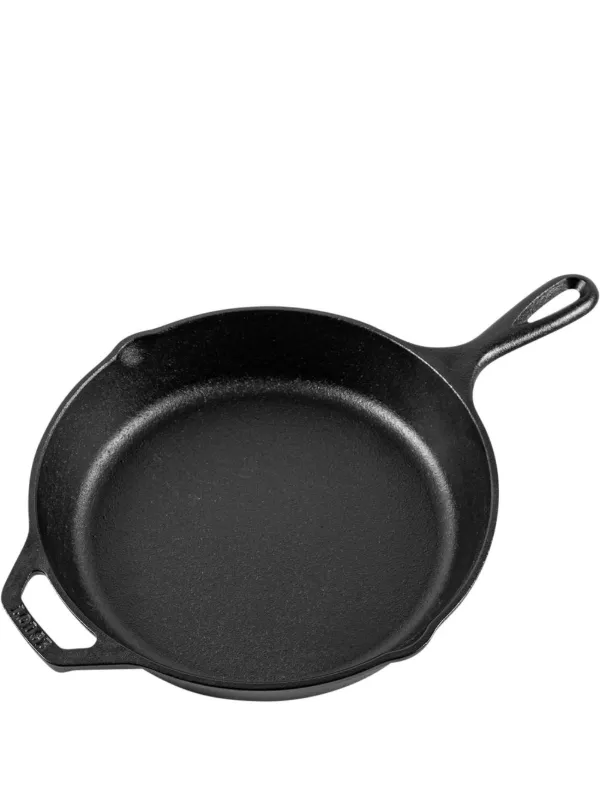
Step into any serious home cook’s kitchen, and you’ll likely find a trusty cast iron skillet taking pride of place. But for those truly ambitious culinary adventures, a large cast iron skillet isn’t just a tool; it’s a game-changer. This isn’t your grandma’s small frying pan; we’re talking about a versatile, robust piece of cookware ready to handle everything from a full breakfast spread for the family to a perfectly seared steak for a dinner party. If you’ve been curious about upgrading your cooking experience, or simply want to understand the enduring appeal of this kitchen workhorse, you’re in the right place.
The Enduring Legacy: A Brief History of Cast Iron
Cast iron cookware boasts a rich history spanning centuries, a testament to its unparalleled durability and effectiveness. Originating in China during the Han Dynasty, cast iron found its way to Europe in the 16th century, revolutionizing cooking with its ability to hold and distribute heat evenly. For generations, these sturdy pans were passed down as treasured heirlooms, each use building layers of natural seasoning that made them better with age. The classic design of a large cast iron skillet has remained largely unchanged because, quite frankly, it works. It’s a connection to culinary traditions, a sturdy bridge between past and present kitchens.
Why a Large Cast Iron Skillet Belongs in Your Kitchen
So, why should you consider adding a sizable cast iron skillet to your collection? The benefits are manifold, making it an indispensable part of any kitchen.
Unbeatable Heat Retention and Even Cooking
A primary advantage of a large cast iron skillet is its exceptional heat retention. Once hot, it stays hot, which is crucial for achieving that perfect sear on meats or creating a uniformly golden crust on cornbread. The even heat distribution across its expansive surface ensures that every part of your dish cooks consistently, avoiding hot spots and undercooked areas.
Durability That Lasts Generations
Cast iron is virtually indestructible. Unlike non-stick pans with coatings that wear off, a well-cared-for cast iron skillet can last a lifetime, often becoming an heirloom. It can handle high temperatures, aggressive scraping (when cleaning), and the rigors of various cooking environments, from stovetop to oven to campfire.
Unparalleled Versatility
This isn’t a one-trick pony. A large cast iron skillet transitions seamlessly between different cooking methods and heat sources.
- Stovetop: Searing, frying, sautéing.
- Oven: Baking casseroles, roasting vegetables, finishing steaks.
- Grill/Campfire: Providing excellent direct heat cooking.
“A large cast iron skillet is truly the Swiss Army knife of cookware,” says Chef Thomas Redding, a seasoned culinary instructor. “Its ability to go from stovetop to oven without missing a beat opens up a world of culinary possibilities.”
Natural, Ever-Improving Non-Stick Surface
With proper seasoning, your cast iron skillet develops a natural, chemical-free non-stick surface that improves with every use. This isn’t a factory coating, but a polymerized layer of oil that bonds with the iron, offering an easy-release surface for everything from delicate fried eggs to fluffy pancakes.
Potential Health Benefits
While not a medicinal supplement, cooking in cast iron can leach small amounts of iron into your food, which can be a beneficial dietary supplement for some individuals.
Unlocking the Magic: Your Guide to Seasoning Your Large Cast Iron Skillet
Seasoning is the heart and soul of cast iron care. It’s the process that creates its famous non-stick properties and protects it from rust.
What is Seasoning?
Seasoning is a thin, baked-on layer of polymerized oil that coats the cast iron. When oil is heated beyond its smoke point, it breaks down and forms a plastic-like layer that bonds to the metal. This layer smooths the naturally porous surface of the iron, creating a barrier that food won’t stick to and preventing oxidation (rust).
First Steps: Initial Seasoning
Many large cast iron skillets come pre-seasoned, meaning they’re ready to use right out of the box after a quick rinse. However, giving it a good initial seasoning yourself is a fantastic way to start building a robust layer.
Here’s how to do it:
- Wash Thoroughly: Even if pre-seasoned, wash your new skillet with warm, soapy water (yes, soap is fine for new cast iron, just dry it immediately!). Use a stiff brush or sponge to remove any factory residues.
- Dry Completely: This step is crucial. Towel dry the skillet immediately and then place it on your stovetop over medium-low heat for 5-10 minutes. This ensures all moisture evaporates from the pores of the iron.
- Apply Oil: Once completely dry and slightly warm, remove from heat. Apply a very thin, even layer of high smoke point cooking oil (like vegetable, canola, grapeseed, or flaxseed oil) to all surfaces of the skillet – inside, outside, and the handle. Use a paper towel to wipe away all excess oil; it should look almost dry, not greasy. A common mistake is using too much oil, which can lead to a sticky, gummy finish.
- Bake It In: Place the skillet upside down in a cold oven. Heat the oven to 450-500°F (230-260°C). Once it reaches temperature, let it bake for one hour.
- Cool Down: Turn off the oven and let the skillet cool completely inside the oven. This slow cooling process helps the seasoning bond effectively.
Repeat this seasoning process 2-3 times for a superior initial layer, allowing the skillet to cool completely between each cycle.
Keeping it Keen: Regular Seasoning Maintenance
The best way to maintain and improve your seasoning is simply to cook with your skillet, especially using fats and oils. Every time you fry, sear, or sauté with oil, you’re adding micro-layers of seasoning. If your pan starts to look dull or food begins to stick, it’s a sign it needs a little love. You can repeat the oven seasoning process, or simply wipe a thin layer of oil on it after each cleaning and briefly heat it on the stovetop until it lightly smokes.
The Art of Aftercare: Cleaning and Storing Your Large Cast Iron Skillet
Proper cleaning and storage are key to maintaining your skillet’s performance and longevity.
Daily Clean-Up
After cooking, allow your skillet to cool down enough to handle.
- Scrape: Use a pan scraper or a stiff nylon brush to remove any stuck-on food.
- Wash: Use warm water. A little mild dish soap is perfectly acceptable and won’t harm your seasoning, despite old myths. Just avoid harsh detergents or abrasive pads like steel wool (unless you intend to strip the seasoning).
- Rinse: Rinse thoroughly to remove all soap residue.
Battling Tough Messes and Rust
For stubborn, burnt-on food, here are a few tricks:
- Simmer Water: Fill the skillet with an inch or two of water and simmer on the stovetop for 5-10 minutes. The residue should soften and be easier to scrape away.
- Salt Scrub: For very tough spots, pour a generous amount of coarse salt into the pan and scrub with a paper towel or half a cut potato. The salt acts as a gentle abrasive.
If you notice surface rust, don’t panic! It’s a sign the seasoning has been compromised. Simply scrub the rust away with steel wool or a stiff brush, then clean, dry, and re-season your skillet.
The Golden Rule: Drying and Oiling
This is arguably the most critical step in cast iron care.
- Dry Immediately: After washing, towel dry your skillet thoroughly with a lint-free cloth or paper towel.
- Heat Dry: Place the skillet back on the stovetop over low to medium heat for 2-5 minutes. This ensures all residual moisture evaporates, preventing rust. You’ll see any remaining water turn to steam.
- Lightly Oil: Once hot and dry, remove from heat. While still warm, apply a very thin coat of cooking oil to the entire pan, inside and out. Again, wipe away any excess. The goal is a barely-there sheen, not a greasy layer.
Smart Storage Solutions
Store your clean, dry, and oiled large cast iron skillet in a cool, dry place. Many prefer to keep it right on the stovetop for easy access. If stacking other pans on top, place a paper towel or dishcloth inside the skillet to prevent scratches and absorb any residual moisture.
Beyond the Basics: Cooking Like a Pro with Your Large Cast Iron Skillet
The sheer size of a large cast iron skillet (often 12 inches or more) means you can handle bigger cuts of meat, multiple servings, or even entire one-pan meals.
Mastering Heat: The Secret to Success
Cast iron heats up slowly but retains heat incredibly well.
- Preheat Gradually: Always preheat your skillet gradually over medium-low heat for 5-10 minutes before adding food. This allows the heat to distribute evenly across the entire large surface.
- Adjust Down: Once your skillet is hot, you often need less heat than you’d use with other pans. Cast iron’s efficiency means you can typically cook on medium to medium-low heat for most tasks.
The Right Fat, the Right Flavor
Using enough cooking fat is crucial for both preventing sticking and building your seasoning. Butter, olive oil, bacon fat, or vegetable oil all work wonderfully. For searing at high temperatures, opt for oils with a high smoke point like grapeseed or canola.
What Can You Create? Dishes for Your Large Skillet
A large cast iron skillet is perfect for:
- Family-Sized Breakfasts: Flipping multiple pancakes, frying a dozen eggs, or sizzling a large batch of bacon.
- Perfectly Seared Meats: Achieving a gorgeous crust on steaks, pork chops, or a whole roasted chicken.
- One-Pan Dinners: Roasting chicken and vegetables together, baking hearty casseroles.
- Classic Comfort Food: Creating legendary cornbread, crispy fried chicken, or a decadent skillet cookie.
- Baking: From Dutch baby pancakes to deep-dish pizzas, the oven-safe nature makes it ideal.
When you’re looking for quality that stands the test of time, you’re looking for a genuine cast iron skillet.
|
Our Picks for the Best Cast Iron Skillet in 2026
As an Amazon Associate I earn from qualifying purchases.
|
||
| Num | Product | Action |
|---|---|---|
| 1 | Amazon Basics Pre-Seasoned Cast Iron Skillet, Oven Safe, Even Heating, Heavy-Duty & Large, 15-Inch, Black |

|
| 2 | Utopia Kitchen Saute Frying Pan 12 Inch, Cast Iron Chefs Pan, Pre Seasoned Cast iron Skillet With Lid, Safe Grill Cookware for Indoor & Outdoor Use, Black |
|
| 3 | Lodge 10.25 Inch Cast Iron Skillet – Pre-Seasoned Frying Pan with Teardrop Handle – Oven, Stovetop, Grill & Campfire Use – Made in USA – Durable, Non-Toxic, Even-Heating Cookware – Black |
|
| 4 | Utopia Kitchen Cast Iron Skillets 12 Inch, Chef\'s Pan, Pre-Seasoned Frying Pan, Stovetop, Oven, Campfire and Grill Large Skillet, Even Heat Distribution Multipurpose Cast Iron Pan - Black |
|
| 5 | Lancaster Cast Iron No. 10 Skillet - 11-5/8-Inch Pre-Seasoned Heirloom Pan - Made in USA |
|
| 6 | Lodge 12 Inch Cast Iron Skillet with Red Silicone Hot Handle Holder – Pre-Seasoned Frying Pan for Stove, Oven, Grill & Campfire – Made in the USA – Durable, Nonstick Cast Iron Cookware – Black |
|
| 7 | Field Company 10.25-Inch Cast Iron Skillet – Pre-Seasoned Frying Pan for Searing, Baking & Everyday Cooking, Lighter & Easy to Handle, Smooth, Made in USA (No.8, 2–4 Servings) |
|
| 8 | Bakken 12\" Cast Iron Skillets, Pre-Seasoned Frying Pan with Even Heat Retention Cooking, Versatile for Stove, Oven, Grill & Campfire, Easy-Grip Handles, Hand Wash Only, 6.61 lbs |
|
| 9 | Victoria Cookware 10-Inch Amazonia Cast Iron Skillet, Decorative Preseasoned Frying Pan with Cast Design, Made in Colombia, Macaw |
|
| 10 | Utopia Kitchen Cast iron Skillets 3 Piece Set, Chefs Pan, Pre Seasoned Cast iron Skillets, 6, 8 & 10 Inches, Easy Use in the Oven, Stove, Grill, or Campfire, Black |
|
Pro Tips and Tricks for Your Large Cast Iron Skillet
- Helper Handles are Your Friend: Large skillets are heavy. Always use the helper handle when lifting, especially when the pan is full and hot, to prevent spills and strains.
- Don’t Fear Soap (but choose wisely): Modern dish soaps are fine. It’s harsh scourers that damage seasoning.
- Avoid Acidic Foods for Too Long: Cooking highly acidic foods (like tomato sauce or lemon juice) for extended periods can strip your seasoning. While occasional use is fine, it’s best not to simmer them for hours.
- Patience is a Virtue: Don’t constantly poke and prod your food. Let it sit and develop a crust before flipping. Cast iron performs best when food is allowed to cook undisturbed.
Frequently Asked Questions About Large Cast Iron Skillets
Q: What size is considered a “large” cast iron skillet?
A: Generally, a large cast iron skillet refers to pans 12 inches in diameter and above. Sizes like 13.25-inch, 15-inch, and even larger griddles are common for family cooking or specialized dishes.
Q: Can I really use soap to clean my cast iron skillet?
A: Yes, contrary to popular belief, you can use mild dish soap to clean your cast iron skillet. The key is to dry and re-oil it immediately afterward to protect the seasoning and prevent rust.
Q: Why does my large cast iron skillet sometimes feel sticky after seasoning?
A: A sticky finish usually indicates that too much oil was applied during the seasoning process, or it wasn’t heated long enough at a high enough temperature. Wipe off excess oil until the pan looks almost dry before baking, and ensure it fully polymerizes.
Q: What are the best oils to use for seasoning a large cast iron skillet?
A: High smoke point oils like vegetable oil, canola oil, grapeseed oil, and flaxseed oil are excellent choices for seasoning. They polymerize well and create a durable, non-stick surface.
Q: How often should I re-season my cast iron skillet?
A: The best seasoning comes from frequent cooking, especially with fats. You don’t need to do a full oven re-seasoning often. If your pan looks dull or food starts to stick, a quick stovetop re-seasoning after cleaning is usually sufficient.
Q: Can I put my large cast iron skillet in the dishwasher?
A: No, never put your cast iron skillet in the dishwasher. The harsh detergents and prolonged exposure to moisture will strip the seasoning and cause immediate rust. Always handwash.
Unleash Your Inner Chef
There’s a reason the large cast iron skillet has been a culinary cornerstone for centuries. Its incredible durability, superior heat retention, and remarkable versatility make it more than just a pan—it’s an investment in countless delicious meals and cherished memories. With a little care and understanding, your large cast iron skillet will not only elevate your cooking but become a treasured piece of your kitchen, getting better and more seasoned with every passing year. So, embrace the heat, get cooking, and discover the unmatched joy of a truly great cast iron skillet.