Stepping into the world of cast iron cooking feels like embracing a timeless secret, a culinary tradition passed down through generations. A “nice cast iron skillet” isn’t just another piece of cookware; it’s a foundational tool, a reliable partner that transforms everyday meals into memorable feasts. If you’ve ever yearned for that perfect sear on a steak, the crispiest fried chicken, or beautifully golden cornbread, then understanding what makes a cast iron skillet truly exceptional is your first step towards kitchen mastery.
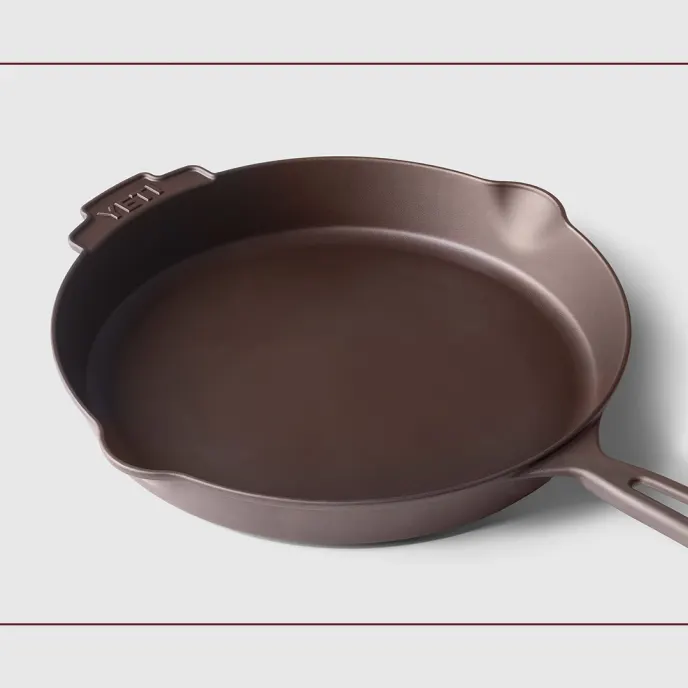
The Enduring Legacy: A Brief History of Cast Iron Skillets
The story of cast iron cookware is as rich and enduring as the material itself, dating back to 7th century BCE China. For centuries, its robust nature and exceptional cooking properties made it a staple in kitchens worldwide. Early European settlers brought cast iron to America, where it became a symbol of homestead cooking and durability. While manufacturing processes have evolved, from the finely polished surfaces of antique pieces to the pre-seasoned, often rougher textures of modern skillets, the fundamental appeal remains. This enduring legacy is a testament to its unmatched performance and ability to become a cherished heirloom.
What Makes a Cast Iron Skillet Truly “Nice”?
The term “nice” for a cast iron skillet goes beyond mere aesthetics; it speaks to its performance, durability, and the sheer joy it brings to cooking.
Superior Heat Retention and Even Cooking
One of the most celebrated qualities of a cast iron skillet is its incredible ability to retain and distribute heat. Once hot, it stays hot, ensuring consistent cooking temperatures even when you add ingredients. This thermal mass is what allows for that coveted, deep brown crust on a seared steak or perfectly caramelized edges on roasted vegetables. Unlike lighter pans that quickly lose heat, cast iron maintains its warmth, leading to more uniform and delicious results.
Unmatched Durability and Longevity
Think of a cast iron skillet as a nearly indestructible kitchen tool. Made from an alloy of iron, carbon, and silicon, these pans are built to last not just years, but generations. Stories abound of cast iron skillets being passed down as family treasures, and for good reason—they rarely break, can withstand extreme temperatures, and are surprisingly forgiving. Even if neglected and rusty, a cast iron skillet can almost always be restored to its former glory with a little TLC.
The Natural Non-Stick Secret: Perfect Seasoning
Forget chemical coatings that flake and degrade over time. A properly seasoned cast iron skillet develops its own natural, non-stick surface. Seasoning is a process where layers of oil are baked onto the pan, polymerizing to create a smooth, slick patina. This isn’t just about preventing food from sticking; it’s about building a robust, chemical-free cooking surface that actually improves with every use. It’s a rewarding journey where the more you cook, the better your pan becomes.
Versatility Beyond Compare
Few other pieces of cookware can rival the versatility of a cast iron skillet. It transitions seamlessly from the stovetop to the oven, can be placed directly over an open flame on a grill or campfire, and is even induction-cooktop compatible. From searing, frying, and sautéing to baking, roasting, and braising, a cast iron skillet handles nearly every cooking task with grace and efficiency. This makes it an invaluable asset in any kitchen.
|
Our Picks for the Best Cast Iron Skillet in 2026
As an Amazon Associate I earn from qualifying purchases.
|
||
| Num | Product | Action |
|---|---|---|
| 1 | Amazon Basics Pre-Seasoned Cast Iron Skillet, Oven Safe, Even Heating, Heavy-Duty & Large, 15-Inch, Black |

|
| 2 | Field Company 10.25-Inch Cast Iron Skillet – Pre-Seasoned Frying Pan for Searing, Baking & Everyday Cooking, Lighter & Easy to Handle, Smooth, Made in USA (No.8, 2–4 Servings) |
|
| 3 | Utopia Kitchen Cast iron Skillets 3 Piece Set, Chefs Pan, Pre Seasoned Cast iron Skillets, 6, 8 & 10 Inches, Easy Use in the Oven, Stove, Grill, or Campfire, Black |
|
| 4 | Lancaster Cast Iron No. 10 Skillet - 11-5/8-Inch Pre-Seasoned Heirloom Pan - Made in USA |
|
| 5 | Utopia Kitchen Cast Iron Skillets 12 Inch, Chef\'s Pan, Pre-Seasoned Frying Pan, Stovetop, Oven, Campfire and Grill Large Skillet, Even Heat Distribution Multipurpose Cast Iron Pan - Black |
|
| 6 | Lodge 10.25 Inch Cast Iron Skillet – Pre-Seasoned Frying Pan with Teardrop Handle – Oven, Stovetop, Grill & Campfire Use – Made in USA – Durable, Non-Toxic, Even-Heating Cookware – Black |
|
| 7 | Utopia Kitchen Saute Frying Pan 12 Inch, Cast Iron Chefs Pan, Pre Seasoned Cast iron Skillet With Lid, Safe Grill Cookware for Indoor & Outdoor Use, Black |
|
| 8 | Victoria Cookware 10-Inch Amazonia Cast Iron Skillet, Decorative Preseasoned Frying Pan with Cast Design, Made in Colombia, Macaw |
|
| 9 | Bakken 12\" Cast Iron Skillets, Pre-Seasoned Frying Pan with Even Heat Retention Cooking, Versatile for Stove, Oven, Grill & Campfire, Easy-Grip Handles, Hand Wash Only, 6.61 lbs |
|
| 10 | Lodge 12 Inch Cast Iron Skillet with Red Silicone Hot Handle Holder – Pre-Seasoned Frying Pan for Stove, Oven, Grill & Campfire – Made in the USA – Durable, Nonstick Cast Iron Cookware – Black |
|
Health Benefits on Your Plate
In an age where health-conscious cooking is paramount, cast iron stands out. Unlike non-stick pans with synthetic coatings, cast iron introduces no harmful chemicals into your food. In fact, a small amount of dietary iron can leach into your food during cooking, offering a natural boost, especially beneficial for those looking to increase their iron intake.
Choosing Your Perfect Companion: Finding a Nice Cast Iron Skillet
Selecting a “nice cast iron skillet” means understanding the nuances that distinguish different types and features.
Traditional Cast Iron vs. Enameled Cast Iron
The choice between traditional (bare) and enameled cast iron often comes down to personal preference and maintenance tolerance.
- Traditional Cast Iron: These are the classic, rugged pans that require seasoning and meticulous care to prevent rust. They can withstand extremely high temperatures and are perfect for developing a robust, natural non-stick surface over time. However, they need to be hand-washed and dried immediately, and acidic foods can strip their seasoning.
- Enameled Cast Iron: Coated with a vitreous enamel layer, these skillets offer many benefits of cast iron without the need for seasoning or as much concern about rust. They are generally easier to clean (often dishwasher-safe, though handwashing is recommended) and can handle acidic ingredients without issue. However, they are typically heavier and often come with a higher price tag. They also don’t develop the same natural non-stick patina as traditional cast iron.
Key Features to Look For
When you’re on the hunt for a good quality cast iron skillet, keep these elements in mind:
- Weight and Balance: While cast iron is inherently heavy, some modern designs, like Lodge’s Blacklock line, aim for a lighter build for easier handling. A substantial but balanced weight indicates a well-made pan that will heat evenly.
- Surface Finish: Historically, cast iron skillets had very smooth surfaces. Today, many mass-produced pans have a rougher texture. While a smooth surface can be easier to clean and season, a rougher pre-seasoned pan will also develop a smooth patina over time with consistent use.
- Size: A 10-inch or 10.25-inch skillet is often recommended as the most versatile size for singles, couples, or small families. For larger families or specific baking needs, a 12-inch pan might be more suitable.
- Handles and Pour Spouts: Look for a comfortable handle, and consider a pan with a “helper handle” on the opposite side, which makes lifting a heavy, hot skillet much easier. Pour spouts are also a handy feature for draining excess grease.
- Pre-Seasoned vs. Bare: For beginners, a pre-seasoned skillet is a great starting point, allowing you to use it right out of the box after a quick rinse. Bare cast iron requires initial seasoning before use, offering a deeper dive into the traditional care process.
Mastering Your Skillet: Initial Seasoning and Care
The secret to a truly “nice” cast iron skillet lies in its care. It’s not as daunting as it sounds!
First Steps: Seasoning Your New Cast Iron Skillet
Even if your skillet comes pre-seasoned, an initial seasoning can set it up for long-term success.
- Wash and Dry Thoroughly: Scrub your new skillet with warm water and a brush (no soap for bare cast iron at this stage). Dry it completely, ideally on the stovetop over low heat to evaporate all moisture.
- Apply a Thin Layer of Oil: Using a paper towel, apply a very thin layer of high smoke point oil (like flaxseed, grapeseed, or vegetable oil) over the entire skillet, inside and out. Buff it thoroughly until it looks like there’s no excess oil, just a slight sheen. Too much oil will result in a sticky surface.
- Bake It: Place the skillet upside down in a cold oven. Heat the oven to 450-500°F (232-260°C). Once it reaches temperature, bake for one hour.
- Cool Down: Turn off the oven and let the skillet cool completely inside the oven.
- Repeat (Optional, but Recommended): For a robust initial seasoning, repeat steps 2-4 three to five times.
Everyday Cleaning for Lasting Performance
“Don’t fear the soap!” advises Chef Anya Sharma, a renowned culinary expert specializing in traditional cooking methods. “A well-seasoned cast iron skillet can handle mild dish soap and warm water for cleaning. The key is to dry it completely and quickly afterwards.”
- Scrape and Rinse: While the pan is still warm, scrape off any food residue with a spatula or a stiff brush. Rinse with warm water.
- Mild Soap (Optional): For stubborn bits, a tiny drop of mild dish soap can be used with a non-abrasive sponge. Avoid steel wool or harsh scrubbers that can strip seasoning.
- Dry Immediately: This is crucial. Towel dry your skillet thoroughly, then place it back on the stovetop over low heat for a few minutes to ensure all moisture evaporates.
- Light Oiling: Once dry and slightly warm, apply another very thin layer of cooking oil to the interior of the pan. Buff it in with a paper towel until the surface has a slight sheen but no visible oil residue.
Regular Maintenance for Generations of Use
Regular cooking, especially with fats, continuously builds your skillet’s seasoning. If food starts sticking or you notice dull spots, simply repeat the seasoning process. For minor rust spots, scrub them away with a gentle abrasive (like salt and a potato half, or a rust eraser), then re-season the affected area.
Culinary Delights: What to Cook in Your Nice Cast Iron Skillet
A cast iron skillet truly shines with a wide array of dishes. Its versatility means it can handle nearly anything you throw at it.
Searing Steaks to Perfection
The high, even heat retention of cast iron makes it ideal for achieving a restaurant-quality crust on steaks, chops, and chicken breasts. The sizzling surface creates a beautiful Maillard reaction, locking in juices and flavor.
Fluffy Cornbread and Hearty Bakes
From classic Southern cornbread with a crispy crust to delightful fruit crumbles and even deep-dish pizzas, the oven-safe nature of cast iron makes it a go-to for baking. The even heat ensures consistent results from edge to center.
From Eggs to Pancakes: Breakfast Favorites
With a good seasoning, eggs will glide effortlessly, and pancakes will cook up light and fluffy with that perfect golden-brown finish. Start with a medium heat and a bit of butter or oil for best results.
One-Pan Wonders: Easy Dinners
Think skillet lasagna, roasted chicken and vegetables, frittatas, or hearty stir-fries. The ability to start a dish on the stovetop and finish it in the oven makes cast iron perfect for convenient and flavorful one-pan meals.
Expert Tips for Cast Iron Cooking
- Preheat Properly: Always preheat your cast iron skillet slowly over medium heat for 5-10 minutes before adding food. This ensures even heat distribution and prevents sticking.
- Use Enough Fat: While seasoning creates a non-stick surface, using a reasonable amount of cooking oil, butter, or animal fat (like bacon grease) will enhance flavor and prevent sticking, especially with new seasoning.
- Mind Acidic Foods: Cooking highly acidic foods (like tomato sauce or lemon juice) for prolonged periods can strip away your seasoning, especially in a new or weakly seasoned pan. This is less of a concern with well-seasoned traditional pans or enameled cast iron.
- Cool Before Cleaning: Let your skillet cool down a bit before cleaning. Plunging a hot cast iron pan into cold water can cause thermal shock and potentially warp the pan, although this is rare.
- Proper Storage: Store your clean, dry, and lightly oiled skillet in a dry place. You can place a paper towel inside if stacking with other pans to absorb any moisture and prevent scratches.
FAQs: Your Cast Iron Skillet Questions Answered
Q: Can I use soap on my cast iron skillet?
A: Yes, mild dish soap can be used on a well-seasoned cast iron skillet without stripping the seasoning. The key is to rinse thoroughly and dry immediately and completely afterwards, then apply a thin layer of oil.
Q: How often should I season my cast iron?
A: Regular cooking with fat naturally contributes to seasoning. A full re-seasoning cycle (like the initial one) is typically only needed if food starts sticking consistently, if the pan looks dull, or if rust appears. Otherwise, frequent cooking and light oiling after cleaning are sufficient.
Q: Is enameled cast iron as good as traditional?
A: Enameled cast iron offers different benefits. It doesn’t require seasoning, can handle acidic foods, and is easier to clean. However, it doesn’t develop the same natural non-stick patina over time and is often heavier and more expensive. Both are excellent, depending on your cooking needs and maintenance preferences.
Q: My food sticks, what am I doing wrong?
A: Food sticking is usually due to insufficient seasoning, not preheating the pan properly, or not using enough fat during cooking. Ensure your pan is well-seasoned, preheated slowly and thoroughly, and use a bit of oil or butter.
Q: How do I remove rust?
A: For minor rust, scrub with a stiff brush, steel wool, or a paste of baking soda and water. For more stubborn rust, a fine-grit sandpaper can be used. After removing the rust, thoroughly wash, dry, and re-season the affected area, or the entire pan if needed.
Conclusion
Embracing a “nice cast iron skillet” is more than just adding another utensil to your kitchen; it’s an investment in a culinary journey filled with delicious possibilities and enduring tradition. With its unmatched heat retention, incredible durability, and the magic of natural non-stick seasoning, cast iron empowers you to create meals that truly shine. So, don’t shy away from this kitchen classic. Dive in, learn its simple secrets, and discover why a well-cared-for cast iron skillet will quickly become your most beloved piece of cookware, an heirloom producing amazing food for years to come. What delicious dish will you create in your nice cast iron skillet first?