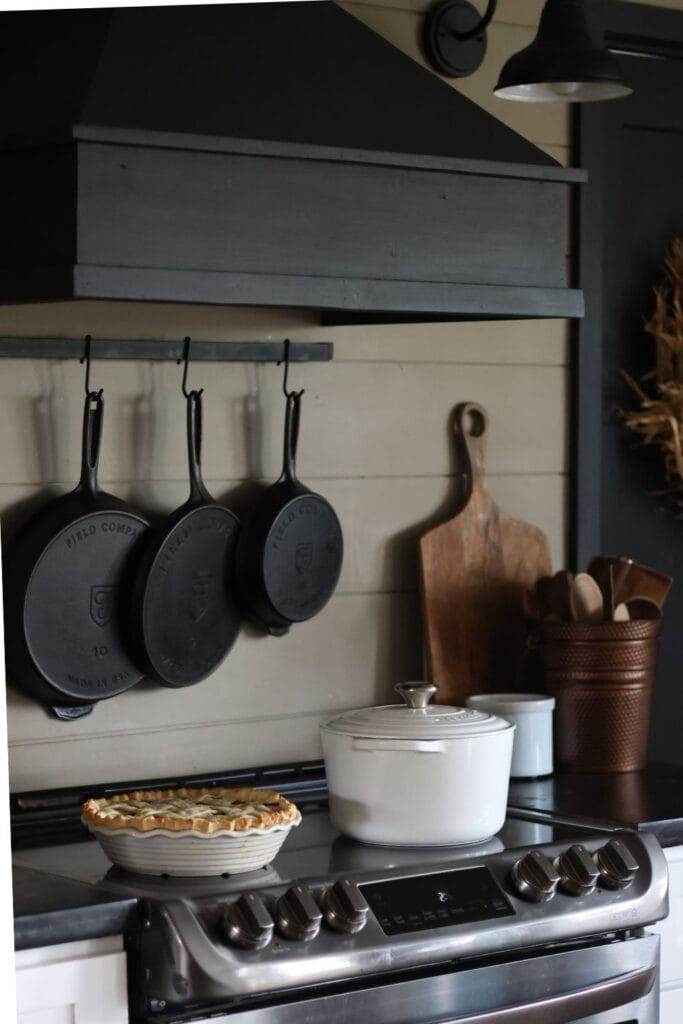
Imagine a piece of cookware that has graced kitchens for centuries, passing down stories and flavors from one generation to the next. That, my friend, is the timeless cast iron skillet. Far more than just a pan, it’s a culinary companion, a testament to durability, and a secret weapon for unlocking incredible flavors. If you’re ready to embrace a cooking experience that’s both deeply traditional and wonderfully modern, the cast iron skillet is your gateway. Here at Eview Buz, we believe everyone deserves to master this iconic tool, transforming everyday meals into extraordinary culinary adventures.
A Journey Through Time: The Rich History of Cast Iron Skillets
The story of the cast iron skillet begins not in quaint European kitchens, but in ancient China, where the earliest known pieces appeared as far back as the 5th century BCE. These early innovators discovered how to mold molten iron into durable tools and, eventually, cookware. This groundbreaking technique slowly made its way across continents, reaching Europe by the 16th century.
A pivotal moment arrived in 1707 when an Englishman named Abraham Darby patented his revolutionary sand casting method. This innovation made it possible to produce thinner, more affordable cast iron pots and kettles, democratizing this robust cookware. The 18th and 19th centuries saw a boom, with cast iron becoming indispensable in homes across Europe and especially in Colonial America. Early designs, often featuring three legs and a handle, were perfect for hanging over open hearths and nestling into hot coals, much like the Dutch ovens we know today.
As indoor cooking evolved and stoves became common, flat-bottomed cast iron pans emerged, perfectly suited for the stovetop. The late 19th and early 20th centuries marked a “golden age” for American cast iron, with iconic brands like Griswold and Wagner Ware producing pieces renowned for their exceptional quality—many of which are still cherished by collectors and cooks today.
However, the mid-20th century brought new challengers: lighter aluminum and stainless steel, along with the advent of chemical non-stick coatings. Cast iron’s popularity waned, and many manufacturers ceased production. Yet, like a true survivor, the cast iron skillet refused to fade. In the 21st century, a renaissance began. Concerns about synthetic non-stick coatings, a renewed appreciation for traditional craftsmanship, and the undeniable performance benefits of cast iron have propelled it back into the spotlight, solidifying its place as a kitchen essential for modern home cooks.
Why Choose a Cast Iron Skillet? Unlocking Culinary Potential
Why has the cast iron skillet endured for millennia and experienced such a passionate resurgence? The reasons are as solid as the pan itself:
Superior Heat Retention & Even Distribution
Unlike flimsier pans that quickly lose heat, a cast iron skillet is a heat-retaining powerhouse. It takes a little longer to warm up, but once hot, it stays hot, distributing that heat incredibly evenly. This is crucial for achieving that perfect, consistent sear on a steak or a beautifully golden crust on cornbread. You won’t find frustrating hot spots here.
Natural Non-Stick Surface (with Proper Seasoning)
Forget chemical coatings! A well-seasoned cast iron skillet develops its own natural, slick, non-stick surface. This “seasoning” is a layer of polymerized oil that bonds to the iron, creating a smooth, food-releasing patina that actually improves with every use. It’s like a living, breathing non-stick surface that gets better with age.
Unmatched Durability and Longevity
A properly cared-for cast iron skillet is virtually indestructible. It can withstand incredibly high temperatures, go from stovetop to oven, and even endure the rugged conditions of outdoor cooking. With a little love, your cast iron skillet can literally last for generations, becoming a treasured family heirloom.
Health Benefits: A Natural Iron Boost
One unique advantage of cooking with cast iron is the subtle infusion of dietary iron into your food. While not a primary source, research suggests that meals prepared in a cast iron skillet can significantly increase the iron content, especially for acidic dishes or those cooked for longer periods. This can be a helpful bonus, particularly for individuals looking to boost their iron intake, such as those on plant-based diets.
Incredible Versatility: Stovetop to Oven to Campfire
From delicate eggs to robust roasts, the cast iron skillet handles it all. It’s equally at home on a gas range, electric stovetop, induction cooktop, in the oven, on the grill, or even over an open campfire. This versatility means fewer specialized pans cluttering your kitchen.
Enhances Flavor Over Time
As the seasoning builds and deepens, your cast iron skillet actually contributes to the flavor of your food. This subtle, rich patina enhances savory dishes, giving them a depth that other pans simply can’t achieve. Think of it as a flavor amplifier, making every meal more delicious.
|
Our Picks for the Best Cast Iron Skillet in 2026
As an Amazon Associate I earn from qualifying purchases.
|
||
| Num | Product | Action |
|---|---|---|
| 1 | Lancaster Cast Iron No. 10 Skillet - 11-5/8-Inch Pre-Seasoned Heirloom Pan - Made in USA |

|
| 2 | Utopia Kitchen Saute Frying Pan 12 Inch, Cast Iron Chefs Pan, Pre Seasoned Cast iron Skillet With Lid, Safe Grill Cookware for Indoor & Outdoor Use, Black |
|
| 3 | Bakken 12\" Cast Iron Skillets, Pre-Seasoned Frying Pan with Even Heat Retention Cooking, Versatile for Stove, Oven, Grill & Campfire, Easy-Grip Handles, Hand Wash Only, 6.61 lbs |
|
| 4 | Lodge 12 Inch Cast Iron Skillet with Red Silicone Hot Handle Holder – Pre-Seasoned Frying Pan for Stove, Oven, Grill & Campfire – Made in the USA – Durable, Nonstick Cast Iron Cookware – Black |
|
| 5 | Victoria Cookware 10-Inch Amazonia Cast Iron Skillet, Decorative Preseasoned Frying Pan with Cast Design, Made in Colombia, Macaw |
|
| 6 | Utopia Kitchen Cast iron Skillets 3 Piece Set, Chefs Pan, Pre Seasoned Cast iron Skillets, 6, 8 & 10 Inches, Easy Use in the Oven, Stove, Grill, or Campfire, Black |
|
| 7 | Field Company 10.25-Inch Cast Iron Skillet – Pre-Seasoned Frying Pan for Searing, Baking & Everyday Cooking, Lighter & Easy to Handle, Smooth, Made in USA (No.8, 2–4 Servings) |
|
| 8 | Utopia Kitchen Cast Iron Skillets 12 Inch, Chef\'s Pan, Pre-Seasoned Frying Pan, Stovetop, Oven, Campfire and Grill Large Skillet, Even Heat Distribution Multipurpose Cast Iron Pan - Black |
|
| 9 | Amazon Basics Pre-Seasoned Cast Iron Skillet, Oven Safe, Even Heating, Heavy-Duty & Large, 15-Inch, Black |
|
| 10 | Lodge 10.25 Inch Cast Iron Skillet – Pre-Seasoned Frying Pan with Teardrop Handle – Oven, Stovetop, Grill & Campfire Use – Made in USA – Durable, Non-Toxic, Even-Heating Cookware – Black |
|
The Art of Seasoning: A Step-by-Step Guide for Your Cast Iron Skillet
Seasoning is the magical process that transforms a raw cast iron skillet into a non-stick, rust-resistant culinary workhorse. It’s not as daunting as it sounds; in fact, it’s quite rewarding. Essentially, you’re baking thin layers of oil onto the iron, creating a tough, protective coating.
Initial Seasoning for New Pans
Even if your cast iron skillet comes “pre-seasoned” (which many modern ones do), it’s a good idea to add a few more layers to kickstart its journey.
- Clean Thoroughly: For a brand new pan, give it a good scrub with warm, soapy water and a stiff brush. Yes, soap is okay for this initial clean! This helps remove any factory residue. Rinse thoroughly and dry completely with a lint-free towel. You can even place it on the stovetop over low heat for a few minutes to ensure every drop of moisture is gone.
- Apply a Thin Layer of Oil: Once completely dry, apply a very thin, even layer of high smoke point cooking oil to the entire pan—inside, outside, and handle. Good options include flaxseed oil, vegetable oil, canola oil, or melted shortening. The key word here is thin. Wipe off all excess oil with a paper towel until the pan looks almost dry or has a dull matte finish. You truly want just a microscopic film.
- Bake It On: Place your oiled skillet upside down on the middle rack of a cold oven. Place aluminum foil or a baking sheet on the lower rack to catch any potential drips. Preheat your oven to 450-500°F (around 230-260°C). Bake for one hour.
- Cool Completely: After one hour, turn off the oven and allow the skillet to cool completely inside the oven. This slow cooling helps the seasoning bond properly to the iron.
- Repeat for Best Results: For a truly robust, durable seasoning, repeat the oiling and baking process 3-6 times. Each layer builds upon the last, creating a stronger, slicker surface.
Maintaining Seasoning Through Regular Use
The best way to maintain and improve your cast iron’s seasoning is simple: use it! Every time you cook with oil or fat, especially fatty foods like bacon or fried chicken, you’re naturally adding another layer of seasoning. It’s a continuous process that makes your pan better with age.
Nurturing Your Skillet: Proper Cleaning and Care Techniques
Proper cleaning and care are vital for your cast iron skillet’s longevity and performance. The good news is, it’s simpler than many myths suggest.
Immediate Cleaning After Use
Always clean your cast iron skillet after each use, once it has cooled down enough to handle safely. This prevents food from hardening and makes cleanup easier.
The “No Soap” Myth Debunked
For decades, the cardinal rule was “never use soap on cast iron!” However, modern mild dish soaps are perfectly fine for well-seasoned pans. They won’t strip away the polymerized oil. The old advice stemmed from harsh lye-based soaps that could indeed harm seasoning.
Effective Cleaning Methods:
- Warm Water and Stiff Brush/Sponge: For most everyday cleaning, simply scrub the warm pan with warm water and a stiff-bristle brush or sponge.
- Coarse Salt for Stubborn Bits: If food is really stuck, sprinkle coarse salt (like kosher salt) into the pan, add a little warm water, and scrub with a paper towel or sponge. The salt acts as a natural abrasive without damaging the seasoning.
- Boiling Water for Extra Stubborn Food: For truly challenging stuck-on food, add a small amount of water to the pan and bring it to a boil on the stovetop. Let it simmer for a few minutes, then use a wooden or silicone spatula to scrape away the loosened food. Discard the water and proceed with regular cleaning.
The Crucial Step: Thorough Drying
This is perhaps the most important rule. Never let your cast iron skillet air dry or soak in water. Moisture is cast iron’s enemy and will lead to rust. Immediately after washing, hand-dry your skillet thoroughly with a clean towel. For extra assurance, place it back on the stovetop over low heat for a few minutes to evaporate any remaining moisture.
Post-Cleaning Oiling
Once completely dry (and still slightly warm from stovetop drying), apply another very thin layer of cooking oil to the entire cooking surface with a paper towel. Wipe off any excess, leaving just a faint, protective sheen. This maintains the seasoning and prevents rust during storage.
Handling Rust
Don’t panic if your skillet develops rust! It’s usually easily fixable.
- Scrub it Off: Use steel wool, a wire brush, or a chainmail scrubber with warm, soapy water to vigorously scrub away all visible rust.
- Wash and Dry: Rinse thoroughly and dry completely, using the stovetop drying method.
- Re-Season: Immediately apply a few fresh layers of seasoning using the oven method described above. Your pan will be good as new!
What to Avoid:
- Dishwashers: Absolutely never put your cast iron skillet in the dishwasher.
- Soaking: Avoid letting your pan soak in water for extended periods.
- Extreme Temperature Changes: Don’t plunge a hot skillet into cold water, or vice versa, as this can cause it to crack or warp (thermal shock).
Culinary Canvas: Delicious Recipes to Master with Your Cast Iron Skillet
The cast iron skillet is an incredibly versatile tool, capable of producing a wide array of delicious dishes, from perfectly seared meats to delicate baked goods. Here are just a few ideas to get your culinary creativity flowing:
Savory Sensations:
- Perfect Seared Steaks: Achieve that restaurant-quality crust and juicy interior by searing your favorite cut of steak in a screaming hot cast iron skillet.
- Crispy Skillet Chicken: Whether it’s chicken thighs with impossibly crispy skin or a whole roast chicken, cast iron delivers incredible results.
- One-Pan Dinners: From sausage and peppers to roasted vegetables, a cast iron skillet makes cleanup a breeze for wholesome, flavorful meals.
- Skillet Pizzas & Cornbread: Get a wonderfully crispy crust on homemade pizzas or a perfectly golden, tender cornbread.
Sweet Treats:
- Skillet Cookies & Brownies: Serve warm, gooey desserts straight from the pan, often topped with a scoop of ice cream.
- Fruit Crisps & Cobblers: Bake bubbling fruit desserts with a beautifully browned topping, perfect for sharing.
Breakfast & Brunch Delights:
- Fluffy Pancakes & Crispy Hash Browns: The even heat of cast iron is ideal for achieving consistent browning.
- Egg Dishes: From perfect fried eggs (yes, really!) to savory frittatas and breakfast hashes, your seasoned skillet is your best friend.
Expert Tips and Tricks for Cast Iron Mastery
To truly become a cast iron master, keep these expert tips in mind:
- Preheating is Key: Always preheat your cast iron skillet gradually for several minutes before adding food. This allows the pan to heat evenly and prevents sticking.
- Don’t Skimp on Fat: While building up seasoning, be generous with your cooking oil or fat. This helps create that non-stick surface and adds flavor.
- Understand Heat Zones: Cast iron heats from the bottom up. While it distributes heat well, you might notice slightly different cooking zones. Learn your pan!
- Be Mindful with Acidic Foods: While generally acceptable, cooking highly acidic foods like tomato sauce for very long durations can potentially strip a new or weak seasoning. If you do, just give your pan a good clean and a quick re-seasoning afterwards.
- Avoid Boiling Water for Extended Periods: Some cast iron enthusiasts advise against boiling large quantities of water for long periods, as it can be harsh on your seasoning. For pasta or large batches of soup, consider an enamel Dutch oven or stockpot.
- Use the Right Tools: Wooden or silicone spatulas are gentle on your seasoning. A metal spatula, used carefully, can also help scrape up fond (the flavorful browned bits) while cooking, which contributes to seasoning. A chainmail scrubber is excellent for stubborn bits without harming the seasoned surface.
“The beauty of a cast iron skillet lies in its ability to adapt,” shares Chef Evelyn Reed, a renowned culinary historian and Eview Buz’s resident expert. “It teaches you patience, rewards you with incredible flavors, and connects you to generations of cooks who cherished this very same tool. It’s more than just a pan; it’s a legacy.”
Frequently Asked Questions (FAQ)
Q: Can I use soap on my cast iron skillet?
A: Yes, you can! Modern mild dish soap is generally fine for a well-seasoned cast iron skillet and will not strip the polymerized oil. Just be sure to rinse thoroughly and dry immediately.
Q: How often should I season my cast iron?
A: After the initial seasoning, the best way to maintain it is to cook with your pan regularly. If you notice food sticking or dull patches, give it a quick stovetop re-seasoning (heat, oil, wipe) or a full oven re-seasoning if needed.
Q: What kind of oil is best for seasoning?
A: High smoke point oils like flaxseed oil, vegetable oil, canola oil, or melted shortening are excellent choices for seasoning. They polymerize well and create a durable layer.
Q: My food is sticking, what should I do?
A: If food is sticking, your pan might not be properly preheated, or your seasoning might be thin in that area. Ensure you preheat thoroughly, use enough cooking fat, and consider adding a fresh layer or two of seasoning.
Q: Can I cook acidic foods like tomatoes in it?
A: You can, but it’s best to limit long cooking times for highly acidic dishes, especially in a newly seasoned pan. Acid can slightly weaken seasoning. If you cook acidic foods, clean and dry your pan thoroughly immediately after, and apply a light coat of oil.
Q: How do I remove rust from my cast iron skillet?
A: To remove rust, scrub the affected areas vigorously with steel wool, a wire brush, or a chainmail scrubber and warm, soapy water. Rinse, dry completely, and then perform a full oven re-seasoning process.
Q: Can I put my cast iron in the dishwasher?
A: No, absolutely not. The harsh detergents and prolonged moisture in a dishwasher will strip your seasoning and lead to severe rusting. Always hand wash your cast iron skillet.
Embrace the Legacy
The cast iron skillet is more than a piece of cookware; it’s an invitation to a richer, more flavorful cooking journey. Its history is deep, its benefits undeniable, and its care straightforward. From searing juicy steaks to baking delectable desserts, your cast iron skillet will quickly become the most cherished and versatile tool in your kitchen.
At Eview Buz, we’re passionate about helping you discover the joy of cooking with cast iron. We encourage you to try new recipes, experiment with techniques, and share your own delicious cast iron creations. Embrace the warmth, the tradition, and the incredible results that only a cast iron skillet can deliver. Happy cooking!