Stepping into the kitchen, many home cooks are rediscovering a timeless treasure: the cast iron skillet. More than just a piece of cookware, it’s a culinary companion, a legacy often passed down through generations, promising unparalleled flavor and durability. But for all its legendary status, the journey to mastering your cast iron skillet can feel a bit daunting. Fear not, fellow food enthusiasts! Eview Buz is here to demystify the art and science of this incredible pan, offering you six essential insights to transform your cooking experience and elevate your kitchen prowess. Get ready to embrace the sizzle, the sear, and the undeniable charm of cast iron.
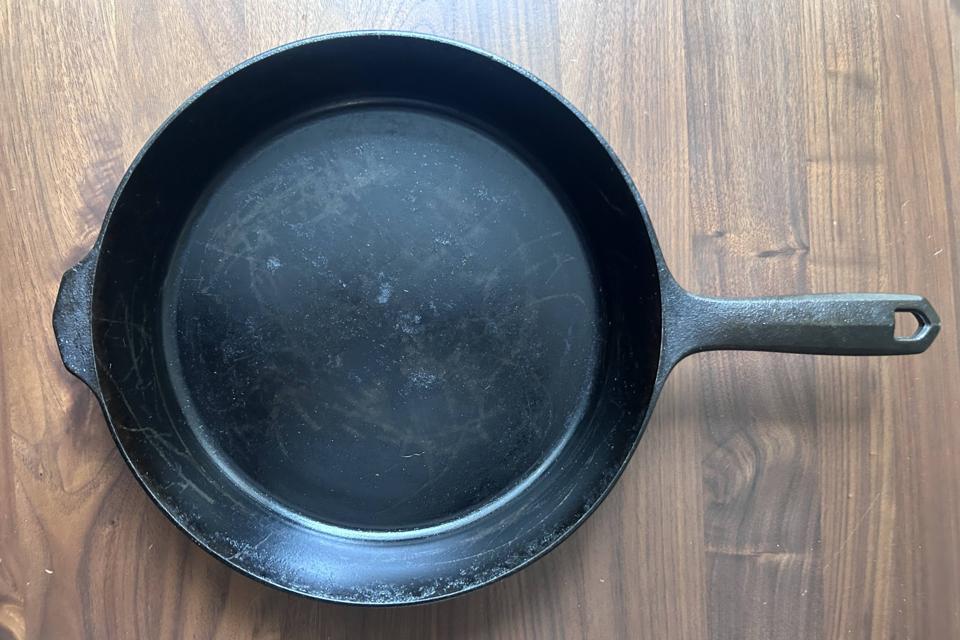
The Timeless Tale: A Glimpse into Cast Iron’s Rich History
The story of the cast iron skillet is as rich and enduring as the meals it creates. Its origins trace back to ancient China, where the earliest known cast iron pieces emerged around the 5th century BCE during the Han Dynasty. Initially utilized for tools and weapons, it wasn’t long before innovators realized the material’s potential for cooking, prized for its ability to retain and distribute heat evenly.
By the 16th century, cast iron found its way to Europe, becoming a staple in many households. A pivotal moment arrived in 1707 when Abraham Darby revolutionized its production with his patented sand casting method, making thinner, more affordable pots and kettles accessible to the masses. This innovation paved the way for cast iron’s widespread adoption across colonial America, where it became indispensable for hearthside and open-fire cooking. Iconic American brands like Griswold and Wagner Ware emerged in the 19th and early 20th centuries, marking a “Golden Age” for the cast iron skillet, celebrated for its craftsmanship and performance.
However, the mid-20th century saw a decline in its popularity with the rise of lighter, non-stick aluminum and stainless steel cookware. Yet, the cast iron skillet proved resilient. A modern renaissance began in the early 2000s, fueled by a renewed interest in traditional cooking methods, concerns over chemical non-stick coatings, and innovations like pre-seasoned pans from companies such as Lodge. Today, this robust piece of cookware has firmly re-established its place in kitchens worldwide, cherished for its unique cooking properties and enduring charm.
Why Embrace the Sizzle? 6 Compelling Benefits of Cast Iron Skillets
Why has the cast iron skillet stood the test of time, drawing new devotees with each passing year? Its enduring appeal lies in a combination of practical benefits that enhance both the cooking process and the culinary results.
1. Superior Heat Retention and Even Distribution
A hallmark of the cast iron skillet is its exceptional ability to hold and distribute heat. Once properly preheated, it maintains a consistent temperature, which is crucial for achieving perfect sears on meats, crispy crusts on baked goods, and thorough, even cooking. Unlike thinner pans that can have hot spots, cast iron delivers uniform heat across its surface.
2. Natural Non-Stick Surface (with Proper Seasoning)
Forget chemical coatings! A well-seasoned cast iron skillet develops a naturally slick, non-stick surface through a process called polymerization, where oils baked onto the iron create a protective layer. This surface improves with every use, making it ideal for everything from delicate eggs to flaky fish.
3. Unmatched Durability and Longevity
Invest in a cast iron skillet, and you’re investing for life—and beyond. These pans are practically indestructible. With proper care, a single skillet can last for generations, often becoming a cherished family heirloom. They can withstand incredibly high temperatures and are resistant to warping or denting.
4. Incredible Versatility for Any Dish
From stovetop to oven, grill to campfire, the cast iron skillet is incredibly adaptable. You can sear a steak, bake cornbread, roast vegetables, fry chicken, or even whip up a dessert, all in the same pan. Its ability to transition seamlessly between heat sources makes it a true kitchen workhorse.
5. A Natural Iron Boost for Your Meals
As you cook in a cast iron skillet, small amounts of dietary iron can leach into your food. This is a natural and beneficial phenomenon, especially for individuals who may have iron deficiencies or follow plant-based diets, offering a gentle and chemical-free way to supplement your iron intake.
6. Chemical-Free Cooking for Peace of Mind
Unlike some modern non-stick pans that contain synthetic chemicals, cast iron skillets offer a safe, non-toxic cooking surface. The seasoning is simply polymerized oil, providing a clean and healthy cooking environment without the worry of harmful substances leaching into your food. This makes it a preferred choice for health-conscious cooks.
The Art of Seasoning: Your Cast Iron Skillet’s Protective Shield
Seasoning is the magical process that transforms a raw iron pan into a beloved cooking tool. It’s not about adding flavor (though that happens too!); it’s about creating a smooth, non-stick, and rust-resistant surface on your cast iron skillet.
What exactly is seasoning? It’s a layer of polymerized oil that bonds to the iron. When oil is heated past its smoke point, it breaks down and forms a hard, plastic-like coating that fills the microscopic pores of the cast iron. This dark, glossy patina is what makes your pan truly non-stick and protects it from rust.
For initial seasoning (especially if your pan isn’t pre-seasoned or if you’re restoring it), follow these steps:
- Clean Thoroughly: Wash the cast iron skillet with warm, soapy water and a stiff brush (yes, soap is okay for initial cleaning!). Rinse and dry completely.
- Apply a Thin Oil Layer: Using a paper towel, apply a very thin, even layer of high-smoke-point cooking oil (like vegetable oil, canola oil, or flaxseed oil) over the entire surface of the skillet – inside, outside, and handle. Wipe off any excess; the pan should look dry, not greasy.
- Bake: Place the oiled skillet upside down on the middle rack of a preheated oven (350-500°F / 175-260°C). Place aluminum foil on the rack below to catch any drips. Bake for at least one hour.
- Cool Completely: Turn off the oven and allow the skillet to cool completely inside.
- Repeat: For a truly robust seasoning, repeat steps 2-4 several times (3-5 cycles are often recommended).
“Seasoning your cast iron is less a chore and more a loving ritual,” shares Chef Isabella Rossi, renowned for her rustic Mediterranean cuisine. “It’s how you build a relationship with your pan, layer by layer, creating a surface that just gets better with every dish.”
For regular maintenance, simply cooking with fats and oils will continuously reinforce your seasoning. After cleaning, a quick rub with a tiny bit of oil before storing will keep your cast iron skillet happy and ready for its next culinary adventure.
Cleaning and Caring for Your Cast Iron Skillet: Simple Steps for Longevity
Proper care is key to ensuring your cast iron skillet lasts for generations. Contrary to old wives’ tales, mild soap won’t strip your hard-earned seasoning, especially on a well-established pan. Here’s how to keep your skillet in pristine condition:
- Wash Immediately After Use: Once your pan has cooled slightly (but is still warm), hand wash it. Use warm water and a few drops of mild dish soap with a stiff-bristle brush or sponge. For stubborn bits, you can use a pan scraper or a chainmail scrubber. Avoid abrasive steel wool on established seasoning.
- No Soaking or Dishwashers: Never leave your cast iron skillet to soak in water, and absolutely keep it out of the dishwasher. Both can lead to rust and strip your seasoning.
- Dry Thoroughly: This is arguably the most crucial step! After washing, dry the skillet immediately and completely with a towel. For extra assurance, place it on the stovetop over low heat for a few minutes until any remaining moisture evaporates.
- Lightly Oil Before Storing: Once dry and still warm, apply a very thin layer of cooking oil (like vegetable or grapeseed oil) to the entire surface with a paper towel. This adds a protective barrier against moisture.
- Store Properly: Store your cast iron skillet in a dry place. If stacking, place a paper towel or cloth between pans to protect the surface and absorb any residual moisture.
- Dealing with Rust: If rust appears (it happens!), don’t panic. For minor rust, scrub with coarse salt and a cut potato or a stiff brush. For more severe rust, you might need steel wool or a solution of equal parts white vinegar and water (but don’t soak for too long, check every 15 minutes). Once the rust is removed, wash, dry, and re-season thoroughly.
Culinary Canvas: Delicious Dishes to Create in Your Cast Iron Skillet
The versatility of the cast iron skillet opens up a world of culinary possibilities. Its exceptional heat properties make it perfect for a wide array of dishes, from everyday meals to special occasion feasts.
- Searing Perfection: Achieve restaurant-quality crusts on steaks, chicken thighs, pork chops, and fish fillets. The high, even heat of a preheated cast iron skillet locks in juices and creates that coveted golden-brown sear.
- Baking Delights: Beyond savory dishes, cast iron is brilliant for baking. Think fluffy cornbread with a perfectly crispy crust, rustic fruit crumbles, skillet cookies, or even a deep-dish pizza that boasts a wonderfully crisp bottom.
- One-Pan Wonders: Simplify weeknight dinners with comforting casseroles, roasted chicken and vegetables, or hearty frittatas, all cooked from start to finish in a single cast iron skillet.
- Breakfast Favorites: From perfectly fried eggs that glide effortlessly across a well-seasoned surface to crispy bacon and fluffy pancakes, your cast iron will become your go-to for starting the day right.
- Deep Frying and Shallow Frying: The superior heat retention makes it ideal for maintaining oil temperature, ensuring evenly cooked, crispy fried chicken, doughnuts, or even homemade potato chips.
The cast iron skillet is truly a culinary canvas, inviting you to experiment and discover new favorites.
Master the Heat: Expert Tips and Tricks for Cast Iron Skillet Cooking
Unlocking the full potential of your cast iron skillet involves understanding a few key cooking principles. These tips will help you achieve outstanding results every time:
- Preheat Slowly and Thoroughly: Due to its density, cast iron takes longer to heat up than other pans. Start with a medium-low flame and allow your skillet to preheat for 5-10 minutes. This ensures even heat distribution and prevents hot spots, which is crucial for perfect searing.
- Use Ample Fat (Especially Early On): Don’t be shy with oil, butter, or animal fats when cooking in your cast iron skillet, particularly when the seasoning is still developing. This not only prevents sticking but also contributes to building a stronger seasoning layer over time.
- Patience for the Perfect Sear: When searing meats or vegetables, resist the urge to move the food too soon. Allow it to cook undisturbed until a deep, golden-brown crust forms and it naturally releases from the pan. This patience is rewarded with incredible flavor and texture.
- Adjust Heat Levels Accordingly: Cast iron retains heat exceptionally well, so you often don’t need to cook on as high a heat as you might with other pans. Start lower and adjust as needed to prevent burning and maintain control.
- Avoid Highly Acidic Foods (for New Seasoning): While a well-seasoned cast iron skillet can handle occasional acidic ingredients like tomatoes or vinegar, it’s best to avoid them in newly seasoned or poorly seasoned pans. Acids can strip the seasoning, potentially leading to a metallic taste or rust.
- Don’t Be Afraid to Experiment: The beauty of cast iron lies in its resilience. Don’t be afraid to try new recipes, cooking methods, and even outdoor adventures with your pan. Every meal cooked contributes to its unique story and further enhances its seasoning.
Frequently Asked Questions About Your Cast Iron Skillet
Can I use soap on my cast iron skillet?
Yes, mild dish soap is generally fine for cleaning a well-seasoned cast iron skillet. Modern dish soaps are not as harsh as older lye-based soaps and will not strip your seasoning. Just be sure to dry it thoroughly immediately after washing.
How often should I season my cast iron skillet?
For a new or restored cast iron skillet, multiple seasoning rounds (3-5) are recommended initially. After that, regular cooking with fats will maintain the seasoning. If your pan looks dull, sticky, or food starts to stick, it’s a good time to re-season.
What’s the best oil for seasoning?
High-smoke-point oils that polymerize well are ideal, such as vegetable oil, canola oil, grapeseed oil, or flaxseed oil. Flaxseed oil is often cited for creating a very hard, durable seasoning, but it can be more expensive and requires proper storage.
Can I cook acidic foods in cast iron?
It’s generally recommended to avoid highly acidic foods (like tomato sauce or lemon juice) in new or poorly seasoned cast iron skillets, as the acid can strip the seasoning and impart a metallic flavor. Once your pan has a very strong, established seasoning, occasional use with acidic foods is usually acceptable.
Why is my cast iron skillet sticky?
A sticky cast iron skillet is usually a sign of too much oil applied during seasoning or after cleaning, or not heating the oil sufficiently during seasoning. The oil didn’t fully polymerize. To fix it, scrub off the sticky layer with hot, soapy water and a stiff brush, then re-season with a very thin layer of oil.
How do I remove rust from my cast iron skillet?
For light rust, scrub with coarse salt and a stiff brush or steel wool. For heavier rust, you can use a solution of equal parts white vinegar and water for a short soak (check every 15-30 minutes), then scrub. Always wash, dry, and re-season immediately after removing rust.
Can cast iron be used on all stovetops?
Yes, cast iron skillets are highly versatile and can be used on gas, electric, induction, and ceramic stovetops, as well as in ovens, on grills, and over campfires. Be cautious with ceramic or glass stovetops, as the heavy weight and rough bottom of cast iron can scratch the surface if dragged.
The Eview Buz Promise: Your Cast Iron Journey Starts Now
The cast iron skillet is more than just a tool; it’s a gateway to rich flavors, satisfying meals, and cherished kitchen memories. At Eview Buz, we believe everyone deserves to experience the joy and simplicity this incredible cookware brings. By understanding its history, appreciating its benefits, mastering its care, and embracing a few key cooking techniques, you’re not just using a pan – you’re becoming part of a culinary tradition. So, go ahead, try out these 6 essential insights, experiment with new recipes, and watch your cast iron skillet become the most reliable and loved piece in your kitchen. Happy cooking!