There’s a certain magic that happens when a perfectly seasoned cast iron skillet takes center stage in your kitchen. It’s more than just cookware; it’s a legacy, a workhorse, and a gateway to incredible flavors. If you’re looking to unlock the full potential of your cast iron skillet and transform your cooking, you’ve come to the right place. This comprehensive guide will equip you with everything you need to know, from its fascinating origins to expert-level care and irresistible recipes.
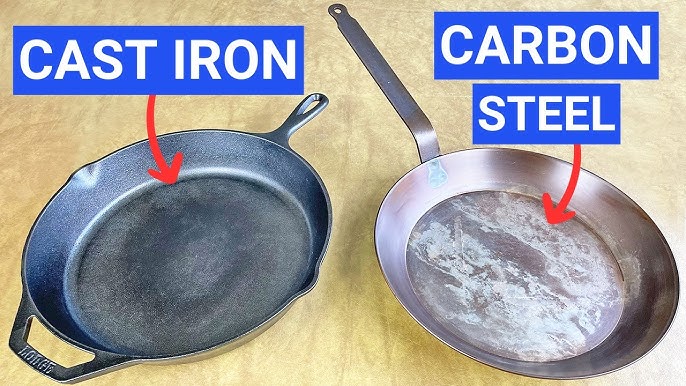
A Journey Through Time: The Rich History of the Cast Iron Skillet
The story of the cast iron skillet is as rich and enduring as the cookware itself. Its lineage stretches back centuries, showcasing a remarkable journey across cultures and continents.
Ancient Roots and Global Spread
The earliest forms of cast iron cookware can be traced back to 5th century BCE China, where innovators discovered how to mold molten iron into various shapes, including rudimentary cooking vessels. This foundational knowledge eventually traveled, reaching Europe by the 16th century. It quickly gained popularity for its exceptional durability and ability to withstand direct flames, becoming a household staple.
From Colonial Hearth to Modern Kitchen
By the 17th and 18th centuries, the cast iron skillet was an indispensable tool in colonial American homes, relied upon for cooking over open hearths and wood-burning stoves. Iconic brands emerged in the 19th century, elevating the craftsmanship and making cast iron accessible to even more families. While its popularity waned slightly in the mid-20th century with the rise of lighter, “modern” cookware, a powerful resurgence began in the late 20th and early 21st centuries. Home cooks rediscovered the unparalleled benefits and nostalgic charm of the cast iron skillet, cementing its place once again as a kitchen essential.
Why Choose Cast Iron? Unlocking Its Enduring Benefits
The enduring appeal of the cast iron skillet isn’t just about tradition; it’s built on a foundation of tangible benefits that elevate your cooking experience in ways other cookware simply can’t.
Unmatched Durability and Longevity
Perhaps the most celebrated attribute of a cast iron skillet is its incredible toughness. Unlike fragile nonstick pans that scratch easily or stainless steel that can warp, a properly cared-for cast iron pan can literally last for generations. Many cooks proudly use skillets passed down from grandparents, a testament to their remarkable resilience. This isn’t just an investment for your lifetime; it’s an heirloom.
Superior Heat Management
Cast iron excels at absorbing and retaining heat, distributing it evenly across the cooking surface. This characteristic is crucial for achieving that perfect, consistent sear on a steak, a golden-brown crust on cornbread, or a perfectly fried egg. Once hot, it stays hot, making it ideal for high-heat cooking and maintaining steady temperatures, even when adding cooler ingredients.
A Natural, Chemical-Free Nonstick Surface
Forget synthetic coatings! With consistent use and proper seasoning, a cast iron skillet develops its own natural, slick, and increasingly nonstick surface. This polymerized layer of baked-on oil provides a healthier alternative to chemical nonstick pans, allowing you to cook with confidence and ease. The more you cook, the better the seasoning becomes, truly making the skillet “better with age.”
Incredible Versatility in the Kitchen
The cast iron skillet is arguably the most versatile piece of cookware you can own. It transitions seamlessly from stovetop to oven, can be used on the grill, over an open flame, or even on an induction cooktop. From searing, frying, and sautéing to baking, roasting, and braising, there’s almost nothing a cast iron skillet can’t do. Imagine a single pan for a perfect pan pizza, a bubbly frittata, or a tender roast chicken.
Surprising Health Perks
Beyond its culinary prowess, cooking with a cast iron skillet can even offer a small, unique health benefit. As you cook, particularly with acidic foods, trace amounts of dietary iron can leach into your meal. For individuals looking to naturally supplement their iron intake, this subtle transfer can be a welcome bonus.
The Secret to Success: Seasoning Your Cast Iron Skillet
Seasoning is the heart and soul of your cast iron skillet. It’s the process that creates its natural nonstick surface, protects it from rust, and truly defines its cooking performance.
What is Seasoning and Why It Matters
Seasoning is essentially a layer of polymerized oil that has bonded with the iron surface of your skillet. When oil is heated to its smoke point, it breaks down and forms a hard, carbonized layer that fills the microscopic pores of the cast iron. This creates a smooth, slick, and protective barrier. Without proper seasoning, cast iron can rust and food will stick. A well-seasoned cast iron skillet is a joy to cook with.
First-Time Seasoning: A Step-by-Step Guide (Oven Method)
While many cast iron skillets come pre-seasoned these days, an initial seasoning (or re-seasoning a stripped pan) is crucial. Here’s a reliable oven method:
- Clean Thoroughly: Wash your new or stripped cast iron skillet with hot, soapy water and a stiff brush. Scrub away any manufacturing residues or rust. Rinse thoroughly.
- Dry Completely: This step is vital to prevent rust. Immediately dry the skillet with a clean towel, then place it on a stovetop over low heat for 5-10 minutes until absolutely no moisture remains.
- Apply a Thin Oil Layer: Once cooled slightly, apply a very thin, even layer of neutral cooking oil (like vegetable, canola, grapeseed, or flaxseed oil) to the entire skillet—inside, outside, and handle. Use a paper towel to rub it in, then wipe away any excess. The goal is a barely visible film; too much oil will result in a sticky surface.
- Bake It On: Preheat your oven to 450-500°F (230-260°C). Place the oiled skillet upside down on the middle oven rack. Placing it upside down helps prevent oil from pooling. You can place a baking sheet on the rack below to catch any drips.
- Cool Down: Bake for one hour. After one hour, turn off the oven and let the skillet cool completely inside the oven. This slow cooling helps the seasoning bond effectively.
- Repeat (if necessary): For a truly robust seasoning, especially with a brand-new or stripped pan, repeat steps 3-5 several times.
Maintaining Your Seasoning: Regular Care
The best way to maintain and improve your cast iron skillet’s seasoning is simply to use it regularly, especially for frying and sautéing with fats. After each cleaning, a quick application of a thin layer of oil will further build up that protective, nonstick surface.
Keeping Your Skillet Pristine: Cleaning and Storage Best Practices
Don’t let myths about “never using soap” or “impossible cleaning” deter you. Caring for a cast iron skillet is straightforward once you know the basics.
Daily Cleaning: Breaking the Myths
- Clean While Warm: It’s easiest to clean your cast iron skillet shortly after cooking, while it’s still warm (but not scalding hot).
- Scrub Gently: Use hot water and a stiff nylon brush or a pan scraper to remove food residue. For stubborn bits, use coarse salt as an abrasive with a damp sponge.
- Mild Soap is Okay: Contrary to popular belief, a small amount of mild dish soap will not ruin your seasoning. Modern dish soaps are less harsh than older lye-based versions and are fine for occasional use, especially on a well-seasoned pan.
- Rinse and Dry Immediately: Rinse thoroughly with hot water. The most critical step is to dry your cast iron skillet immediately and completely. Use a clean cloth or paper towels, then place it back on a low burner for a few minutes to ensure all moisture evaporates.
- Oil It Up: Once completely dry and slightly warm, apply a very thin layer of cooking oil (like vegetable oil) to the entire surface with a paper towel. Rub it in until the skillet looks slightly glossy and no oily residue remains. This replenishes the seasoning and protects against rust.
Dealing with Rust and Sticky Residue
- Rust Removal: If rust appears, don’t panic! Scrub the rusted areas vigorously with steel wool or a stiff wire brush, using hot water and a little soap. Once the rust is gone, rinse, dry thoroughly, and then re-season the entire skillet (you may need a few seasoning cycles).
- Sticky Surface: A sticky surface usually means too much oil was applied during seasoning, or it wasn’t heated long enough at a high enough temperature. To fix this, scrub the sticky areas with hot, soapy water and a stiff brush, then re-season with a much thinner coat of oil.
Proper Storage for Longevity
Store your clean, dry, and lightly oiled cast iron skillet in a dry place. If stacking other pans on top, place a paper towel or cloth liner inside the skillet to absorb any residual moisture and protect the surface.
Culinary Delights: Delectable Recipes for Your Cast Iron Skillet
The versatility of the cast iron skillet means an endless array of delicious possibilities. Here are just a few categories to get your culinary creativity flowing.
Sizzling Steaks and Savory Mains
A cast iron skillet is unmatched for achieving a perfect crust on meats. Think pan-seared ribeye, crispy-skinned fried chicken, juicy pork chops, or flavorful lamb chops. Its ability to go from stovetop to oven also makes it ideal for one-pan wonders like roasted chicken with vegetables or rich braised dishes. “A good cast iron skillet is the secret weapon for developing deep, complex flavors in savory dishes, creating that irresistible crust you just can’t achieve with other pans,” shares Chef Amelia Jenkins, a renowned culinary expert.
Comforting Bakes and Hearty Sides
Beyond searing, cast iron shines in the oven. Classic cornbread, fluffy biscuits, cheesy frittatas, baked eggs, and savory casseroles (like skillet lasagna or macaroni and cheese) all benefit from the even heat and crispy edges a cast iron skillet provides. It’s also fantastic for roasting vegetables, giving them a beautiful caramelization.
Sweet Treats from the Skillet
Don’t forget dessert! A cast iron skillet is fantastic for baking. Imagine a giant chocolate chip cookie skillet, an apple crumble, or a rustic fruit cobbler, served warm directly from the pan. The crusts achieved in cast iron are simply divine.
Elevate Your Cooking: Essential Tips and Tricks
Mastering your cast iron skillet means understanding a few fundamental principles that will truly set your cooking apart.
Patience is Key: Preheating Your Skillet
Because of its density, a cast iron skillet takes longer to heat up than other pans. However, this is a strength, not a weakness. Allow your skillet to preheat slowly over medium-low heat for 5-10 minutes. This ensures an even temperature across the entire surface, preventing hot spots and promoting consistent cooking. You’ll know it’s ready when a drop of water sizzles and evaporates quickly.
The Right Amount of Fat
While a well-seasoned cast iron skillet is nonstick, using a good amount of cooking fat (oil, butter, bacon grease) is still crucial. This not only prevents food from sticking but also continuously contributes to and improves your pan’s seasoning over time.
Don’t Rush the Sear
When searing meats or vegetables, resist the urge to move the food too soon. Allow it to develop a beautiful crust on one side before flipping. The food will naturally release from the pan when it’s ready, so trust the process!
Heat Management Mastery
Cast iron retains heat exceptionally well, so you often don’t need to cook on as high a heat as you might with other pans. Start with medium heat and adjust downwards. This “heat battery” effect means steady temperatures, leading to better browning and more thoroughly cooked food.
Frequently Asked Questions
Q: Can I use soap on my cast iron skillet?
A: Yes, a small amount of mild dish soap is generally fine for a well-seasoned cast iron skillet. Modern soaps won’t strip away the polymerized oil layer that forms the seasoning. Just be sure to rinse thoroughly and dry immediately.
Q: How often should I season my cast iron skillet?
A: You should season your cast iron skillet at least once a month, or more frequently if you notice the surface looking dry, patchy, or if food starts to stick. Many avid cooks perform a quick re-oiling after every wash.
Q: What kind of oil is best for seasoning?
A: Neutral oils with a high smoke point work best, such as vegetable oil, canola oil, grapeseed oil, or flaxseed oil. The key is to apply a very thin, even layer.
Q: My cast iron skillet is sticky after seasoning. What went wrong?
A: A sticky surface typically indicates that too much oil was applied during the seasoning process or the pan wasn’t heated to a high enough temperature for long enough. To fix it, scrub off the sticky residue and re-season with a much thinner coat of oil.
Q: Can I cook acidic foods in cast iron?
A: While occasional cooking of acidic foods (like tomatoes or wine sauces) is generally fine, prolonged cooking of highly acidic dishes can potentially strip your seasoning and impart a metallic taste to food. It’s best to keep acidic cooking sessions shorter.
Q: How do I remove rust from my cast iron skillet?
A: Rust can be removed by scrubbing vigorously with steel wool, a wire brush, or a rust eraser, using hot water and a little soap. Once the rust is gone, clean thoroughly, dry completely, and then re-season the skillet.
Q: Is pre-seasoned cast iron ready to use?
A: Yes, pre-seasoned cast iron skillets are generally ready to use right out of the box after a quick rinse and dry. However, giving it an initial seasoning yourself and regular cooking with fats will only improve its natural nonstick properties over time.
Conclusion
The cast iron skillet is a testament to timeless design and unparalleled functionality in the kitchen. Its rich history, incredible durability, superior heat retention, and natural nonstick surface make it an indispensable tool for anyone passionate about cooking. From perfecting a seared steak to baking a comforting cornbread, your cast iron skillet is capable of culinary marvels. Embrace the journey of seasoning and caring for this magnificent piece of cookware, and you’ll discover a world of flavor and a lifetime of cooking enjoyment. So go ahead, ignite your passion, and let your cast iron skillet become the heart of your kitchen adventures.