Stepping into the world of cast iron cooking with a 12-inch cast iron skillet isn’t just about acquiring a new piece of cookware; it’s an embrace of culinary heritage, a commitment to flavor, and an investment in a tool that truly stands the test of time. This versatile kitchen workhorse, often passed down through generations, is revered by home cooks and professional chefs alike for its unparalleled performance and durability. Whether you’re a seasoned cast iron aficionado or just starting your journey, understanding the nuances of this remarkable pan will elevate your cooking and deepen your appreciation for this timeless kitchen essential.
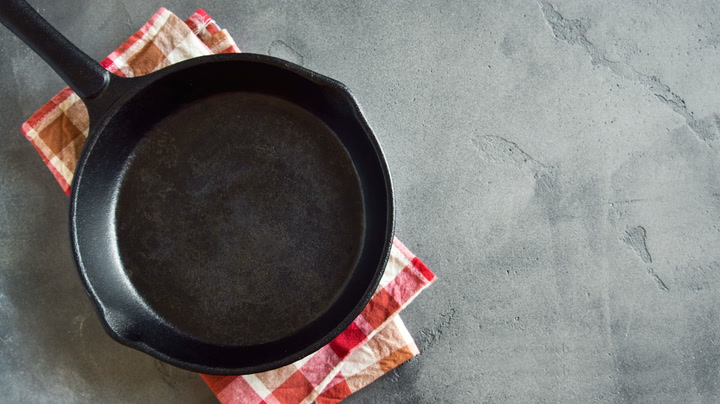
The Enduring Legacy: A Brief History of Cast Iron Cookware
The story of the cast iron skillet is a long and fascinating one, stretching back centuries. Its origins can be traced to ancient China, where cast iron vessels were first used for cooking as early as the Han Dynasty around 220 A.D., though some historical accounts push its use back even further to the 5th century B.C. Initially, cast iron was valued for its strength in tools, plowshares, and even weaponry.
By the 16th century, casting techniques had spread to Europe, and cast iron began to feature more prominently in peaceful, domestic contexts. A significant turning point came in 1707 when Abraham Darby, an English ironmaster, patented a new method for casting pots and kettles that made them thinner and more affordable. This innovation sparked a boom in cast iron cookware throughout the 18th and 19th centuries, making these durable pots and pans staples in households across the globe.
The 20th century saw a temporary decline in cast iron’s popularity with the rise of lighter, “modern” materials like aluminum and non-stick coatings. However, its robust nature and superior cooking properties ensured its survival, and today, the cast iron skillet is experiencing a powerful resurgence, celebrated for its unique benefits and sustainable qualities.
Why a 12-Inch Cast Iron Skillet Belongs in Every Kitchen
The 12-inch cast iron skillet holds a special place in the kitchen for many reasons. Its size is a sweet spot, making it large enough to handle family meals for two to four people, yet still manageable for everyday cooking. This single pan can truly replace an arsenal of other cookware.
Unmatched Versatility
From searing a perfect steak to baking a golden cornbread, the 12-inch cast iron skillet is incredibly versatile. It transitions seamlessly from stovetop to oven, can be used on induction burners, and even over an open campfire or grill. This makes it ideal for a wide range of cooking methods, including pan-frying, roasting, braising, and baking.
Superior Heat Properties
One of the most significant advantages of cast iron is its exceptional heat retention and distribution. Once heated, it maintains a consistent temperature across its entire surface, which is crucial for achieving a beautiful sear on meats and vegetables, or for evenly baking dishes like deep-dish pizza or frittatas. This steady heat also means it holds warmth longer, keeping food hot at the table.
Natural Non-Stick (with proper seasoning)
Unlike chemical-laden non-stick coatings, a well-seasoned cast iron skillet develops a natural, easy-release surface through a process called polymerization. This means your fried eggs can truly slide off the pan, and you can cook with confidence, knowing you’re not introducing unwanted chemicals into your food.
Durability and Longevity
Cast iron is virtually indestructible. With proper care, a cast iron skillet will last not just for years, but for generations, earning its reputation as heirloom cookware. This durability means it can withstand high temperatures and rigorous use without warping or degrading.
Health Benefits
Cooking in a cast iron skillet can actually add a small amount of dietary iron to your food, particularly when cooking acidic ingredients like tomatoes. This can be a beneficial boost for some, making it a functional addition to a health-conscious kitchen.
Enhances Flavor for Richer, Tastier Meals
The seasoned surface of a cast iron skillet contributes to the flavor of your food over time. As oils and fats are heated into the pan, they build up layers that impart a subtle, deep flavor, enhancing everything from fried chicken to sautéed vegetables. As renowned chef, Emilia Rossi, often says, “A well-loved cast iron skillet tells a story with every meal, imparting a depth of flavor you simply can’t achieve with other pans.”
Eco-Friendly Choice
Made from sustainable materials, cast iron cookware is an environmentally conscious choice. Its longevity means less waste, and its natural properties reduce the need for disposable alternatives.
The Art of Seasoning: First Steps and Ongoing Care
Seasoning is the soul of your cast iron skillet. It’s the protective layer of polymerized oil that creates a natural non-stick surface and prevents rust. While many modern cast iron skillets come pre-seasoned, building up this layer further is key to its performance and longevity.
What Exactly is Seasoning?
Seasoning isn’t about flavor (though it contributes to it indirectly); it’s about forming a slick, durable coating on the iron. When oil is heated to its smoke point on the cast iron surface, it undergoes a chemical process called polymerization, bonding with the metal and creating a smooth, hardened layer. This layer darkens over time, giving cast iron its characteristic black patina.
Initial Seasoning and Re-Seasoning
If your 12-inch cast iron skillet isn’t pre-seasoned, or if its surface appears dull, patchy, or food starts to stick, it’s time for an oven seasoning process.
Steps for Oven Seasoning:
- Clean Thoroughly: Wash your skillet with warm, soapy water and a scrub brush. Yes, it’s okay to use a mild soap! The goal here is to remove any residue or existing seasoning flakes.
- Dry Completely: This is crucial to prevent rust. Dry the skillet immediately with a lint-free cloth or paper towel. For extra measure, place it on a stovetop over low heat for 5-10 minutes until absolutely bone-dry.
- Apply a Thin Layer of Oil: Using a paper towel, apply a very thin layer of high-smoke-point cooking oil all over the skillet—inside, outside, and the handle. Grapeseed, vegetable, canola, or flaxseed oil are excellent choices. The key is to wipe away almost all the oil; you want a microscopic film, not a thick coating, to avoid a sticky finish.
- Bake Upside Down: Preheat your oven to 450-500°F (232-260°C). Place aluminum foil on the bottom rack to catch any potential drips. Place your oiled skillet upside down on the middle rack. This position helps prevent oil from pooling.
- Bake and Cool: Bake for one hour. After an hour, turn off the oven and let the skillet cool completely inside the oven. This slow cooling allows the seasoning to properly adhere.
- Repeat (Optional but Recommended): For a more robust initial seasoning, repeat steps 3-5 three to four times. Each layer builds strength.
Maintaining Your Seasoning
The best way to maintain your seasoning is to simply use your 12-inch cast iron skillet regularly. Every time you cook with oil or fat, you’re adding another layer of seasoning.
- Cook with Fats: Fry bacon, sear meats, or sauté vegetables in oil to continuously build your seasoning.
- Avoid Acidic Foods Initially: While a well-seasoned pan can handle some acidic foods like tomatoes or wine, it’s best to avoid them in a newly seasoned skillet as they can strip away the developing layers.
- Gentle Cleaning: Don’t use abrasive scrubbers or harsh detergents that can strip the seasoning.
Cleaning and Storing Your 12-Inch Cast Iron Skillet
Proper cleaning and storage are vital for keeping your 12-inch cast iron skillet in prime condition and preventing rust.
Everyday Cleaning Routine
- Remove Food Debris: After cooking, while the pan is still warm, scrape any stuck-on food with a metal spatula or a dedicated chainmail scrubber.
- Wash: Wash with warm water. A small amount of mild dish soap is generally fine for a well-seasoned pan. Avoid harsh scouring pads that can damage the seasoning.
- Dry Immediately and Thoroughly: This is the most critical step to prevent rust. Dry the skillet completely with a towel. You can also place it back on the stovetop over low heat for a few minutes until all moisture has evaporated.
- Apply a Thin Oil Layer: Once dry, rub a tiny amount of cooking oil (like vegetable or grapeseed) over the entire cooking surface with a paper towel. This creates a protective barrier.
Dealing with Rust
If rust appears, don’t despair! Cast iron is forgiving. Simply sprinkle a generous amount of coarse salt (like kosher salt) into the pan and scrub with a dry paper towel or a cut potato half. The salt acts as an abrasive. Continue scrubbing until the rust is gone, then wash, dry, and re-season the skillet thoroughly.
Storage
Store your clean, oiled, and completely dry cast iron skillet in a dry place. Many avid users prefer to keep it on their stovetop, not only for convenience but also as a proud display of their culinary tool. If stacking, place a paper towel or cloth between your cast iron and other pans to prevent scratches and absorb any lingering moisture.
Culinary Adventures: Recipes Perfect for Your 12-Inch Skillet
The 12-inch cast iron skillet is a stage for countless delicious dishes. Its size and heat retention make it perfect for a variety of culinary creations:
- Searing: Achieve a restaurant-quality crust on steaks, pork chops, salmon fillets, or chicken breasts. The intense, even heat is ideal for browning.
- Baking: From fluffy cornbread with crispy edges to giant skillet cookies, fruit crisps, and even homemade pizzas, the oven-safe nature of cast iron makes it perfect for baking.
- Frying: Fry up classic comfort foods like crispy fried chicken, golden potato hashes, or perfectly cooked fried eggs that slide right off.
- One-Pan Meals: Create delicious, fuss-free dishes like shakshuka, hearty frittatas, paella, or roasted vegetables with sausage.
- Caramelization: The consistent heat allows for beautiful caramelization on onions, Brussels sprouts, or even pineapple for an upside-down cake.
Tips and Tricks for Mastering Cast Iron Cooking
Becoming a cast iron master is an enjoyable journey. Here are a few tips to guide you:
- Pre-heat Slowly: Cast iron needs time to heat up evenly. Start on low or medium heat and gradually increase it. A properly pre-heated skillet will perform far better than one rushed to high heat.
- Don’t Overheat: If your skillet is smoking excessively before adding food, it’s too hot. Let it cool down slightly.
- Embrace Metal Utensils: Unlike delicate non-stick coatings, you can confidently use metal spatulas and scrapers in your cast iron skillet. In fact, a bit of scraping can actually help smooth out the seasoning.
- “Sticky” Means More Seasoning: If food starts sticking, it’s a sign your seasoning needs attention. Cook with more oil for a few sessions or consider a full re-seasoning.
- Don’t Be Afraid: Cast iron is robust and forgiving. Don’t let myths about its maintenance deter you. It’s designed to last and perform under pressure.
Frequently Asked Questions About Your 12-Inch Cast Iron Skillet
Q: Can I use soap on my cast iron skillet?
A: Absolutely! The old myth about never using soap on cast iron is largely outdated. Mild dish soap is fine for a well-seasoned pan; just ensure you rinse thoroughly and dry it immediately to prevent rust.
Q: How do I know when to re-season my cast iron skillet?
A: You’ll notice the glossy, dark surface becoming dull or patchy, or food might start sticking persistently. These are clear indicators that your seasoning is compromised and needs refreshing.
Q: Why is my cast iron skillet sticky after seasoning?
A: A sticky surface usually means you applied too much oil during the seasoning process, or the oil didn’t reach a high enough temperature to fully polymerize. The key is to wipe away as much oil as possible before baking.
Q: Can I cook acidic foods in my cast iron skillet?
A: While a very well-established seasoning can withstand occasional use with acidic ingredients like tomatoes or wine, it’s generally best to avoid them, especially in newer pans. Acid can strip the seasoning, leading to sticking and a metallic taste.
Q: What is the best oil for seasoning cast iron?
A: High-smoke-point oils such as grapeseed oil, vegetable oil, canola oil, and flaxseed oil are excellent for seasoning. Flaxseed oil is often praised for creating a very hard, durable seasoning layer, though it can be more prone to flaking if not applied incredibly thinly.
Conclusion
The 12-inch cast iron skillet is more than just a pan; it’s a culinary companion that promises a lifetime of delicious meals and shared memories. From its ancient roots to its modern-day resurgence, it has proven itself as an indispensable tool for home cooks who appreciate durability, versatility, and exceptional flavor. By understanding its history, mastering the art of seasoning, and committing to proper care, you unlock the full potential of your cast iron skillet. So go ahead, embrace this timeless tradition, experiment with new recipes, and let your 12-inch cast iron skillet become the heart of your kitchen for generations to come.